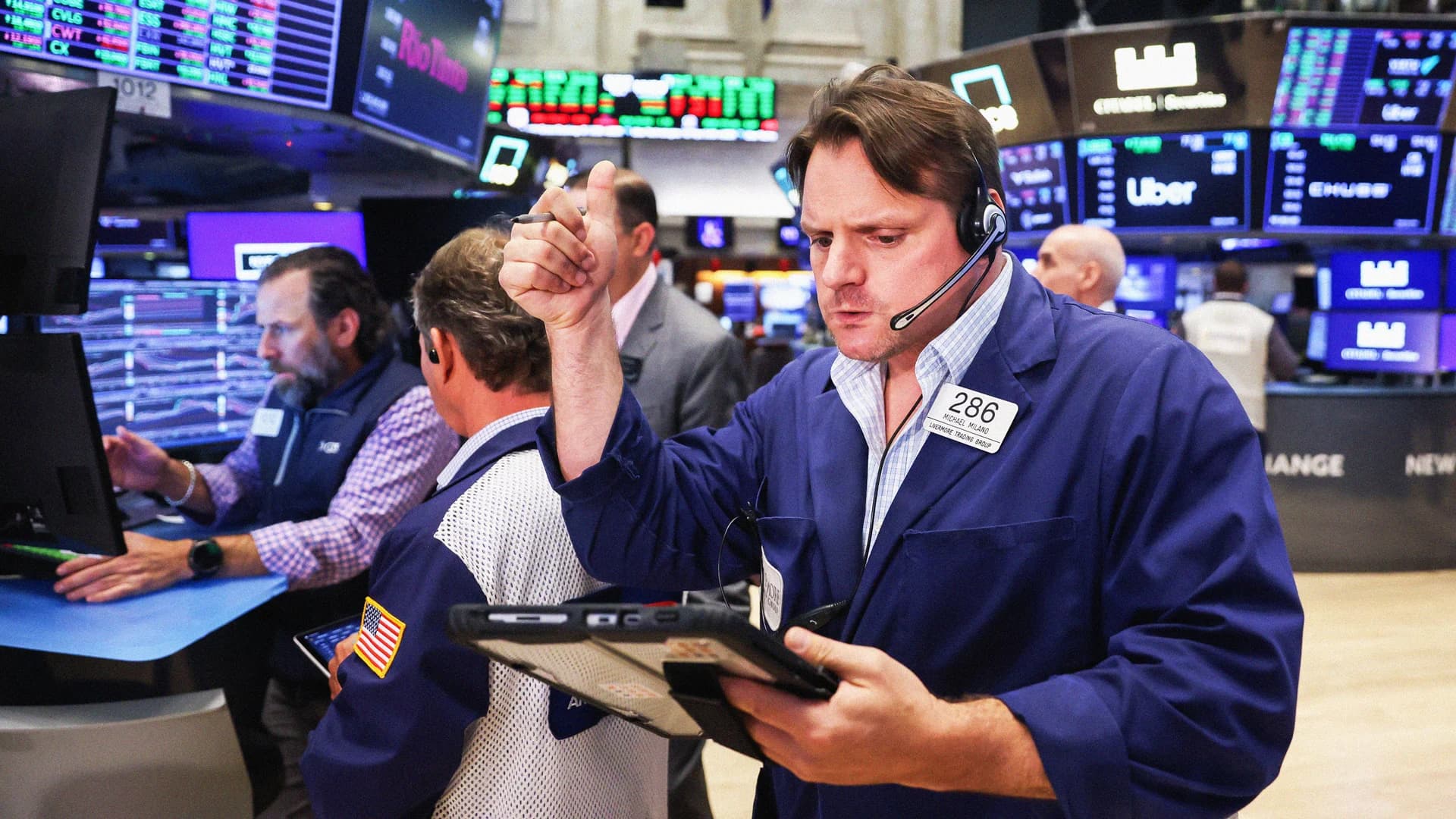
Photo via Inc.
The traditional playbook for market reactions has undergone a significant rewrite. According to Inc., inflation recently climbed to its highest level in three years, yet equity markets have continued their upward momentum rather than retreating. This disconnect between negative economic signals and positive market performance represents a meaningful departure from historical patterns that Dallas-area portfolio managers have relied upon for decades.
The driving force behind this shift is the growing influence of artificial intelligence and technology sector performance on overall market sentiment. Rather than treating macroeconomic data like inflation reports as the primary driver of investment decisions, today's markets increasingly pivot around AI adoption rates, technology earnings expectations, and innovation metrics. For Dallas businesses operating in traditional sectors, this recalibration means competitive pressures are intensifying from tech-forward competitors in ways that may not be immediately reflected in broad market indices.
This new paradigm requires investors and business leaders in the Dallas region to reassess their market interpretation frameworks. Historical correlations between inflation data and equity performance can no longer be assumed, which carries implications for everything from pension fund management to corporate capital allocation decisions. Companies hedging against inflation risks based on conventional wisdom may find themselves unprepared for market movements driven by factors entirely unrelated to price pressures.
For Dallas-based investors and executives, the lesson is clear: understanding the AI-driven market dynamics reshaping capital flows has become as essential as monitoring traditional economic indicators. Organizations that adapt their strategic planning to account for this new macro reality—where technology momentum can override inflation concerns—will be better positioned to navigate investment cycles and competitive market shifts ahead.