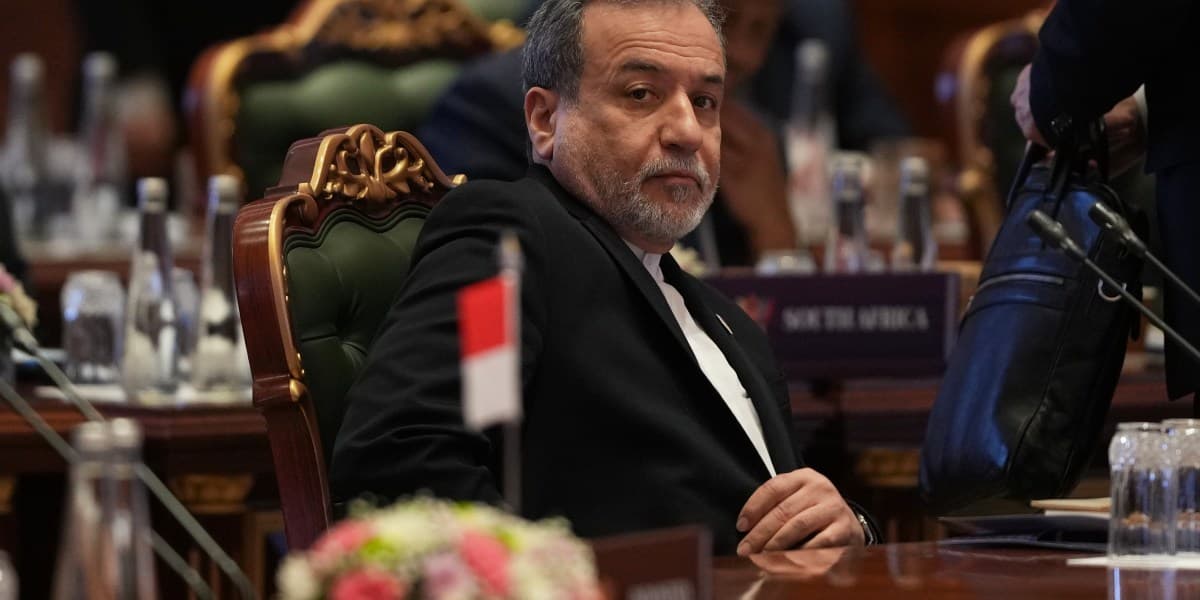
Photo via Fortune
Iranian Foreign Minister Abbas Araghchi has publicly questioned the reliability of American negotiating partners, citing what he characterizes as inconsistent messaging from Washington. According to reporting from Fortune, Araghchi stated that mixed signals have created hesitation about the genuine intentions behind U.S. diplomatic efforts, signaling a potential breakdown in ongoing discussions between the two nations.
The diplomatic uncertainty carries real implications for American businesses, particularly those in the energy sector and companies with global supply chain operations. Dallas-area energy firms with international interests and multinational corporations headquartered in North Texas may face increased volatility if negotiations deteriorate further, affecting commodity prices and market confidence.
Contradictory communications from different U.S. government officials or agencies appear to be central to Iran's skepticism about negotiating in good faith. This pattern of inconsistent messaging—whether intentional or organizational—undermines the credibility necessary for serious diplomatic progress and raises questions about the sustainability of any future agreements.
For Dallas business leaders monitoring geopolitical risk, the situation underscores the importance of scenario planning around potential sanctions regimes, energy price fluctuations, and supply chain disruptions. Companies with exposure to Middle Eastern markets or energy trading should continue assessing their operational resilience in light of ongoing diplomatic tensions.