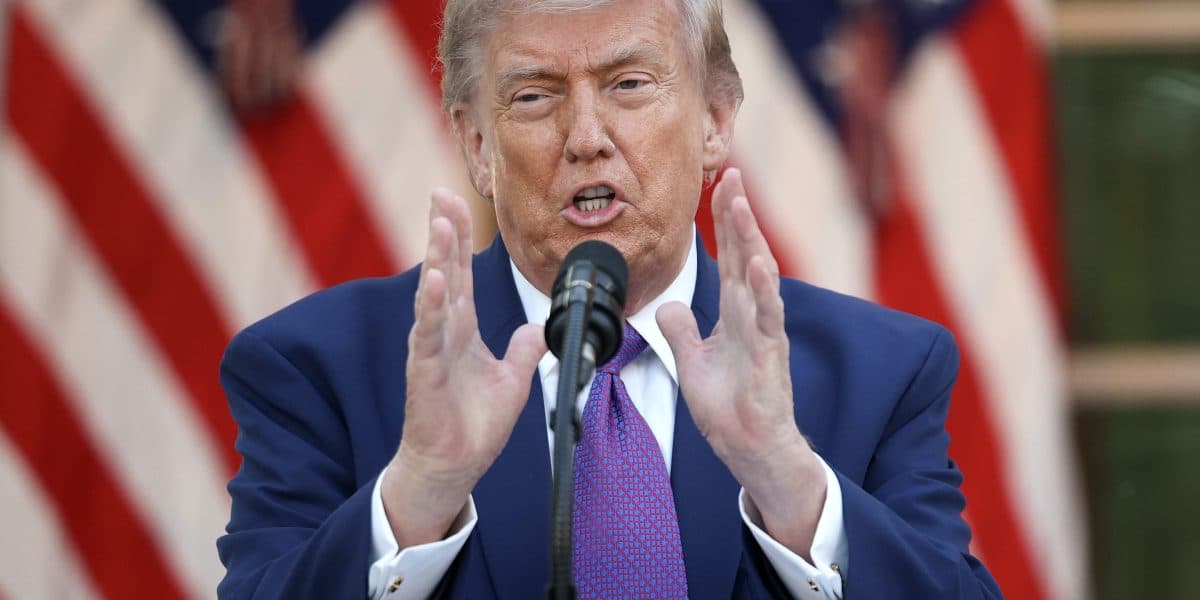
Photo via Fortune
Negotiations between the U.S. and Iran over reopening the Strait of Hormuz have reached an impasse, according to Fortune, creating mounting uncertainty in global energy markets. The strategic waterway, through which roughly one-third of the world's seaborne oil passes, remains a critical chokepoint for international crude distribution. The stalled talks underscore deepening geopolitical divisions that threaten to keep supplies constrained.
Recent activity in physical crude markets signals growing tightness across the industry. Spot market prices have strengthened, reflecting traders' concerns about available inventory and the challenge of replacing barrels that would normally flow through the Hormuz corridor. This tightening in global supply chains carries implications for refineries, petrochemical producers, and energy-dependent manufacturers throughout the Dallas-Fort Worth region.
For Texas-based energy companies and the broader industrial base that depends on stable fuel costs, prolonged supply constraints could translate into higher operational expenses. Refineries along the Gulf Coast—a critical economic engine for the state—face uncertain feedstock availability and pricing volatility. The situation also puts pressure on logistics providers and transportation companies managing energy distribution across North Texas.
Energy analysts expect continued volatility as negotiations drag on. Dallas-area businesses with exposure to oil and gas, manufacturing, or transportation should monitor developments closely, as extended supply tightness could impact input costs, margins, and strategic planning. The outcome of U.S.-Iran talks may reshape regional energy economics for months to come.