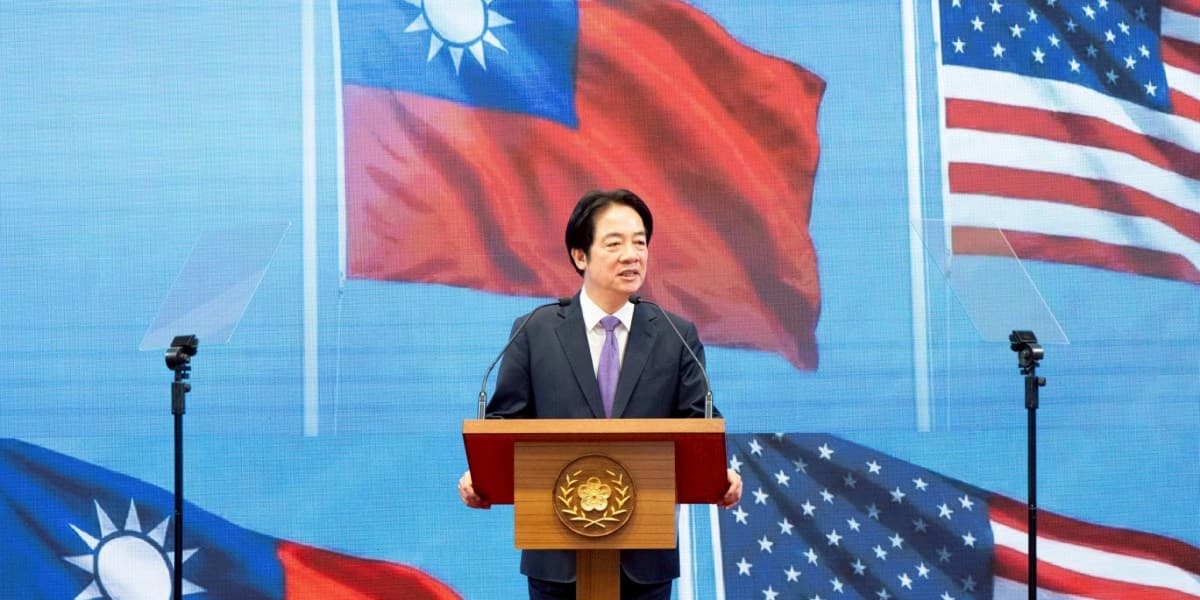
Photo via Fortune
The ongoing debate over U.S. policy toward Taiwan has taken on new significance as trade negotiations between Washington and Beijing continue to evolve. According to recent reporting, the question of military support to the island nation has become a central point of diplomatic leverage in broader trade discussions, raising questions about how shifting geopolitical priorities may affect American businesses.
For Dallas-area companies—particularly those in technology, semiconductors, and advanced manufacturing—developments in U.S.-Taiwan-China relations carry direct operational implications. Taiwan's critical role as a global semiconductor producer means that any changes to arms sales policies or trade relationships could ripple through supply chains that many North Texas firms depend on for components and materials.
The potential use of Taiwan as a negotiating tool in larger trade discussions underscores the interconnected nature of modern commerce. Dallas businesses that source materials from Taiwan or rely on Taiwanese suppliers should consider scenario planning for potential policy shifts that could affect tariffs, export restrictions, or supply chain logistics in the coming months.
Companies operating in technology, defense contracting, and export-dependent industries should stay informed about diplomatic developments. Industry associations and trade groups serving the Dallas region continue to monitor policy changes, and business leaders are advised to engage with resources tracking geopolitical risks that could impact their operations and bottom line.