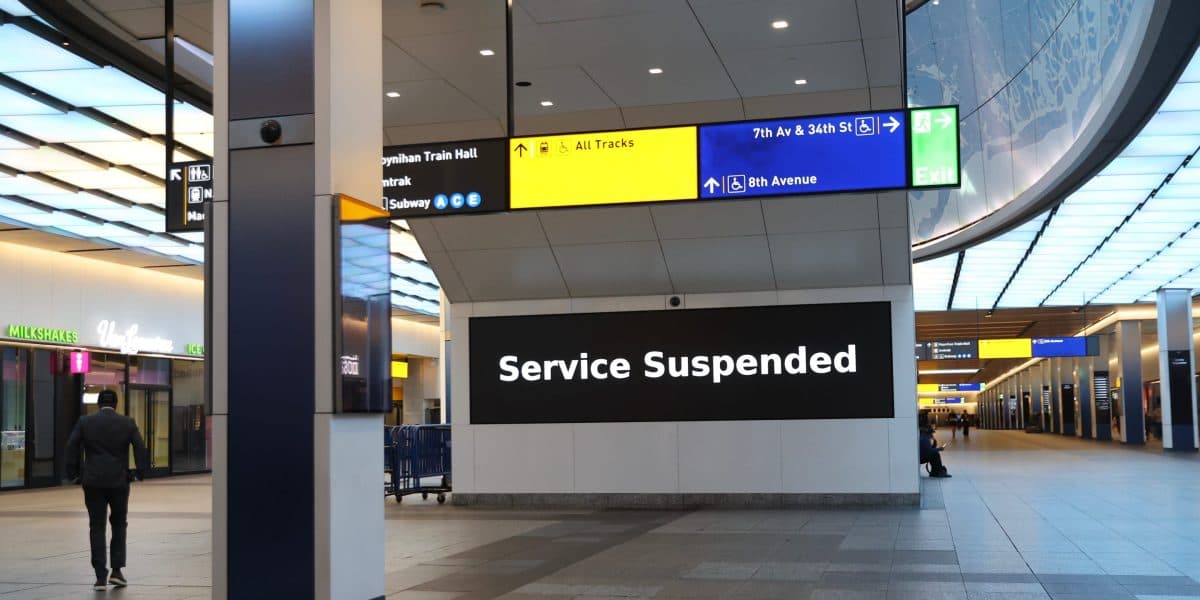
Photo via Fortune
According to Fortune, five unions representing approximately half of the Long Island Rail Road's workforce initiated a strike after prolonged contract negotiations, creating significant disruptions to regional transportation. The labor action underscores growing tensions in the transportation sector and the critical role that railroad workers play in maintaining supply chain continuity across the country.
For Dallas-based logistics and distribution companies, the LIRR shutdown demonstrates how labor disputes on the East Coast can have cascading effects on national freight networks and delivery timelines. Many companies operating in the DFW region depend on coordinated rail movement for cross-country shipments, making workforce stability and labor relations key operational considerations.
The strike's involvement of presidential-level negotiations signals the severity of the dispute and the broader implications for labor relations in essential infrastructure. Companies in Dallas's growing logistics sector should monitor similar situations at other regional transit operators and consider how contract disputes might impact their supply chains or operational partners.
For Dallas business leaders, this situation reinforces the importance of supply chain resilience planning and maintaining strong relationships with transportation partners. As labor costs and worker demands reshape logistics industries nationwide, understanding these dynamics becomes increasingly relevant for managing operational risks and ensuring reliable service delivery.