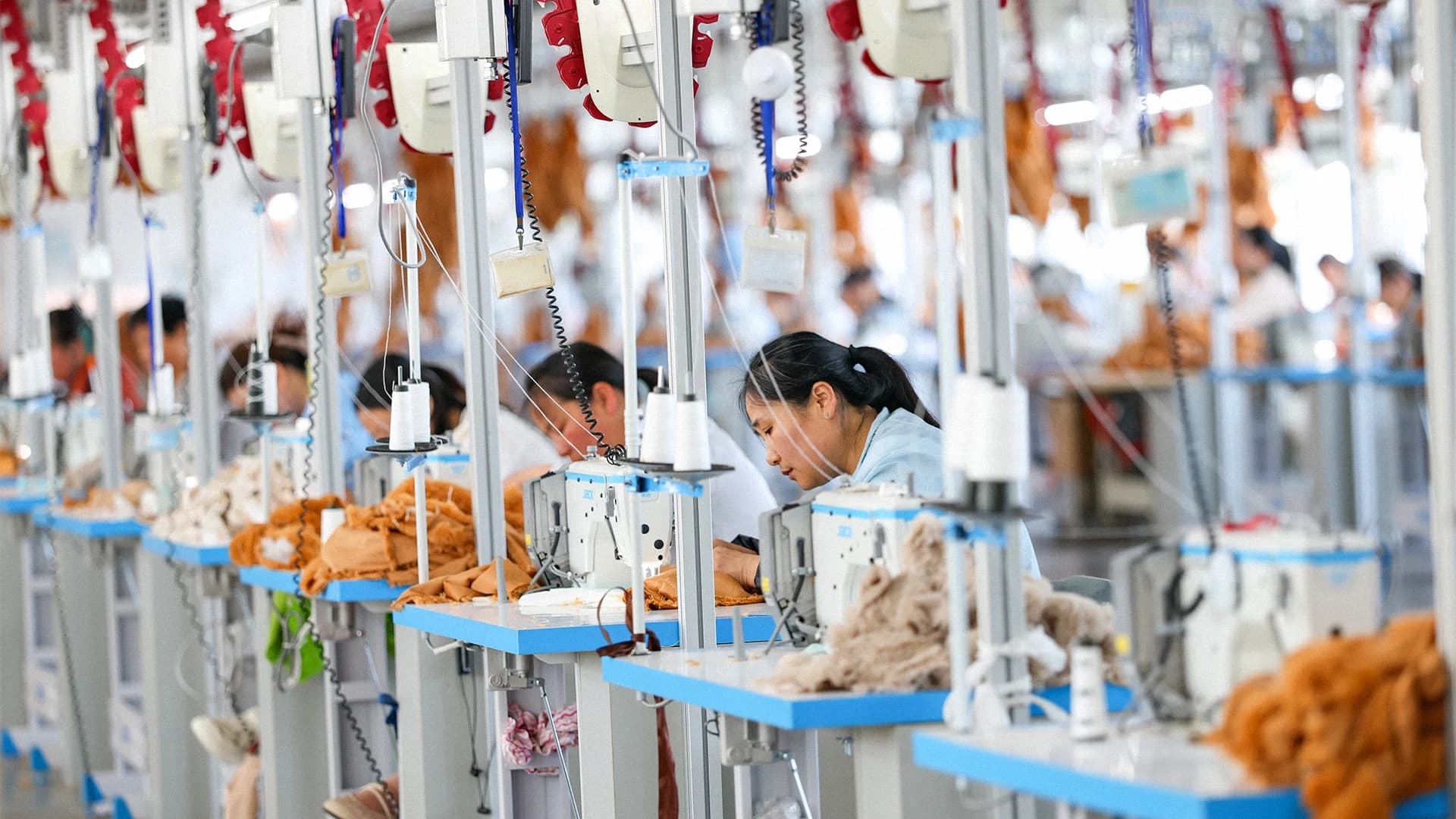
Photo via Inc.
U.S. companies pursuing supply chain diversification away from China are facing an unexpected obstacle: Beijing itself. According to Inc., new Chinese regulations are specifically designed to penalize foreign firms attempting to circumvent American tariffs by relocating manufacturing operations. For Dallas-area businesses with established Chinese operations or partnerships, this development adds another layer of complexity to already challenging reshoring decisions.
The regulatory shift transforms what many executives viewed as straightforward exit strategies into potential legal liability. Companies that attempt to move production while maintaining ties to Chinese suppliers or operations risk triggering investigations that could freeze assets, disrupt contracts, or result in significant fines. This creates a catch-22 for firms trying to navigate U.S.-China trade tensions while protecting their existing investments in the region.
Dallas's manufacturing and logistics sectors, which have increasingly looked toward Southeast Asian alternatives and nearshoring to Mexico, must now factor in Beijing's enforcement posture. Companies considering this transition should conduct thorough legal audits of their supply chain relationships and consult with trade counsel before executing any operational changes. The penalty for miscalculation extends beyond tariff exposure to include international compliance violations.
As the trade environment continues to shift, Dallas business leaders should view this development as a signal to accelerate due diligence on supply chain restructuring. Strategic planning that accounts for both American and Chinese regulatory frameworks—rather than simply reacting to tariff announcements—will be essential for companies seeking sustainable competitive advantages in an increasingly fragmented global marketplace.