Photo via Inc.
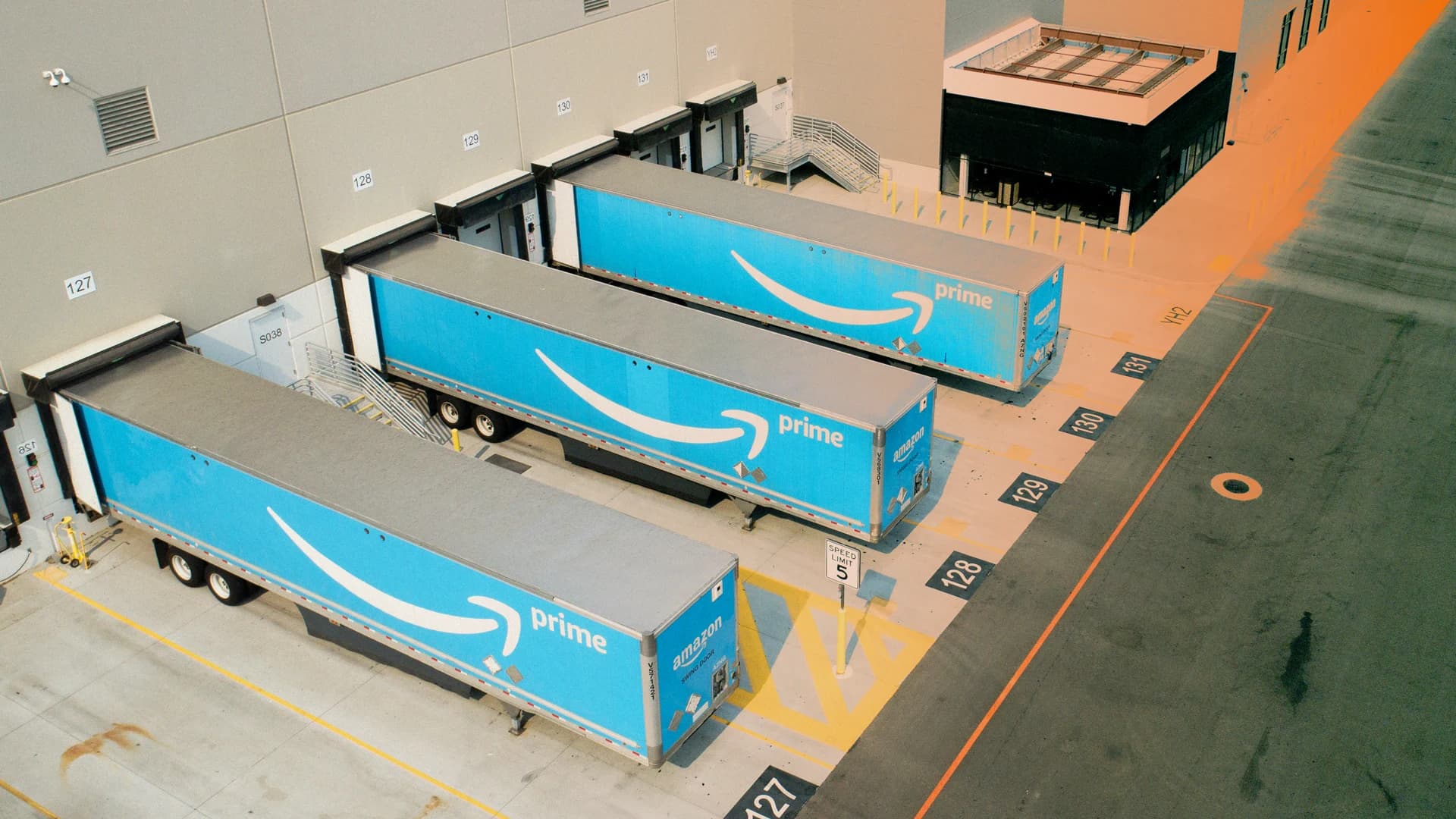
Amazon is making a significant strategic shift by opening its proprietary delivery network to external customers and competitors, marking a new phase in the company's business evolution. This move represents a departure from Amazon's traditional approach of keeping its logistics capabilities exclusively for its own operations, signaling confidence in the scale and efficiency of its infrastructure.
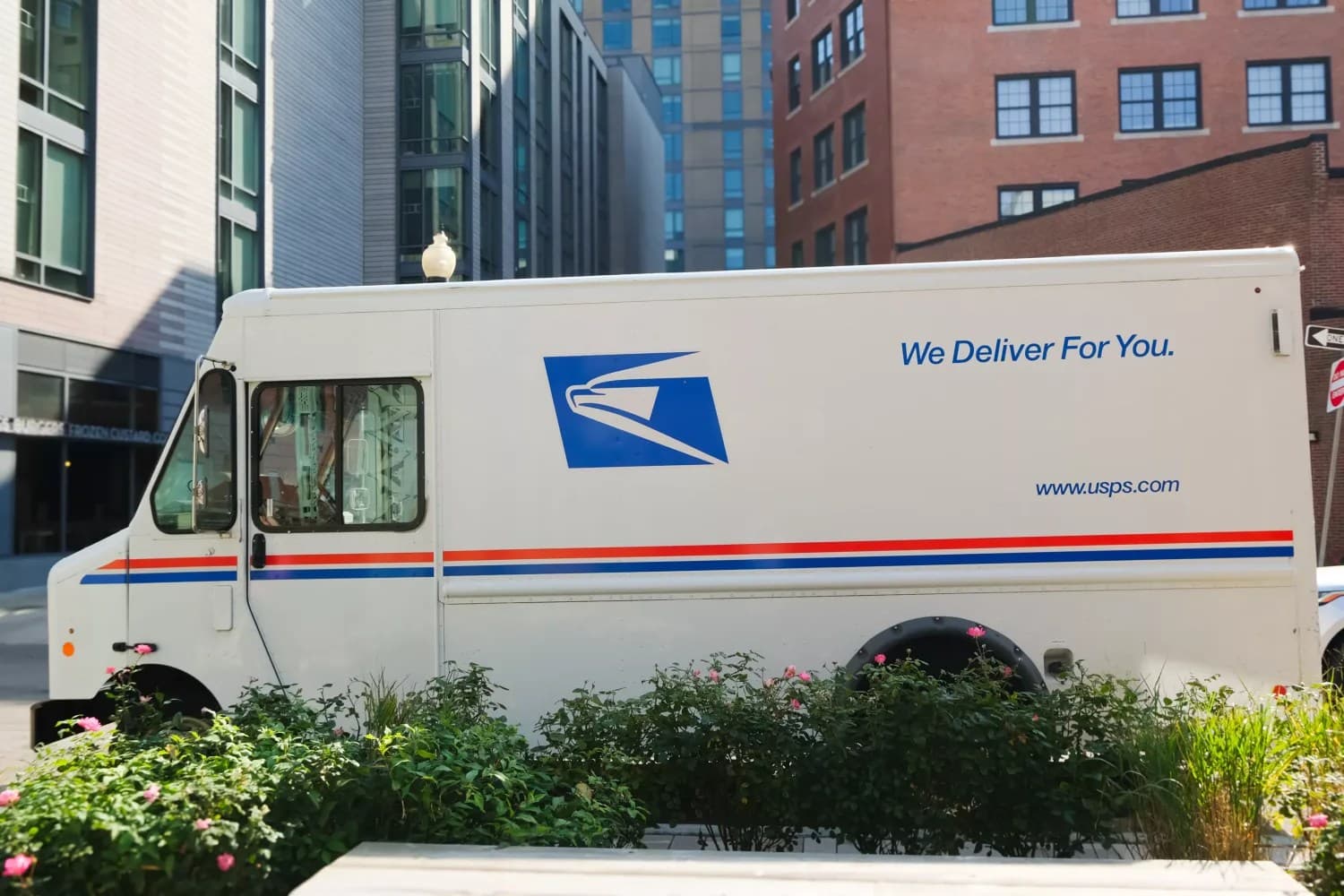
For Dallas-area businesses, this development presents both challenges and opportunities. Local retailers and e-commerce companies that have relied on traditional carriers like UPS and FedEx now have access to Amazon's extensive distribution capabilities, potentially lowering shipping costs and improving delivery speeds. However, established logistics providers serving the Dallas region will face increased competition and pressure to modernize their service offerings.
The implications extend beyond individual shippers. According to Inc., this opening of Amazon's delivery network could fundamentally disrupt the shipping industry, compelling major carriers and retail competitors to reassess their supply chain strategies. Companies across North Texas that depend on third-party logistics will need to evaluate whether Amazon's services align with their operational and financial goals.
As this trend develops, Dallas business leaders should monitor how Amazon's logistics expansion affects their own distribution costs and delivery capabilities. Those in retail, e-commerce, and supply chain management should begin evaluating partnerships and technology investments to remain competitive in an increasingly consolidated logistics landscape.