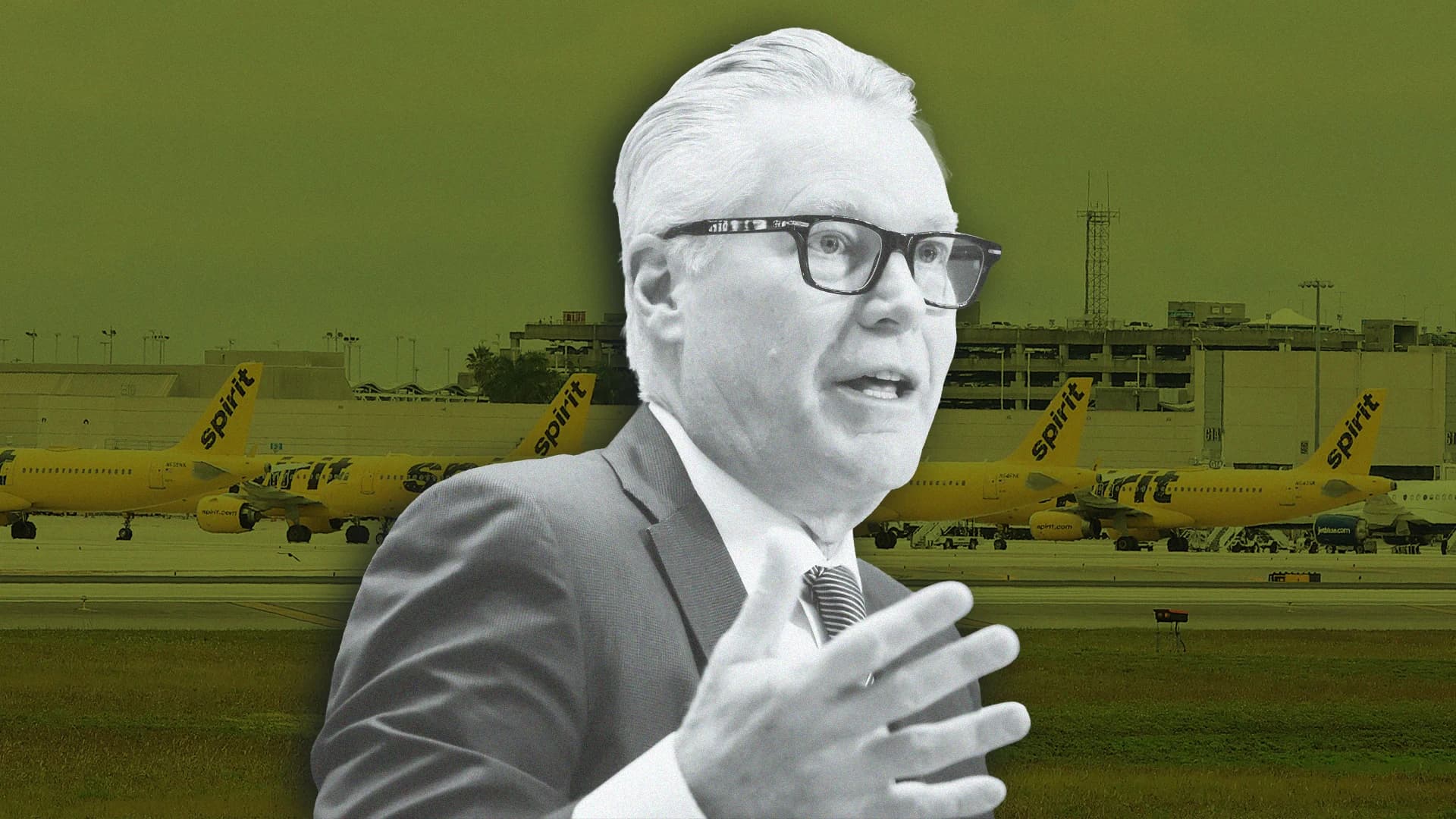
Photo via Inc.
Spirit Airlines' financial troubles have drawn scrutiny from industry leaders, including executives at premium carriers who view the budget airline's struggles as a cautionary tale. According to Inc., one airline CEO recently offered pointed commentary on Spirit's business fundamentals, suggesting the carrier's core product—or lack thereof—may have been a critical vulnerability in an increasingly competitive market.
The broader context reveals tension between ultra-low-cost carriers and traditional airlines. While budget carriers disrupted the industry by stripping away amenities and services, this strategy created a race to the bottom that limited differentiation and pricing power. Premium competitors argue that passengers eventually demand minimum service standards, and carriers that cut too aggressively risk alienating their customer base entirely.
For Dallas-area business travelers and logistics companies, Spirit's challenges underscore the importance of evaluating airline partnerships based on reliability and service quality, not just ticket price. The Dallas-Fort Worth region's major airlines and corporate transportation decisions depend on carriers that can maintain consistent operations and customer satisfaction.
The airline industry's evolution continues to reshape travel economics and business operations across sectors. As consolidation pressures mount and budget carriers face existential questions, Dallas companies should monitor how carrier capacity and service changes affect their operations and employee travel programs in the coming months.