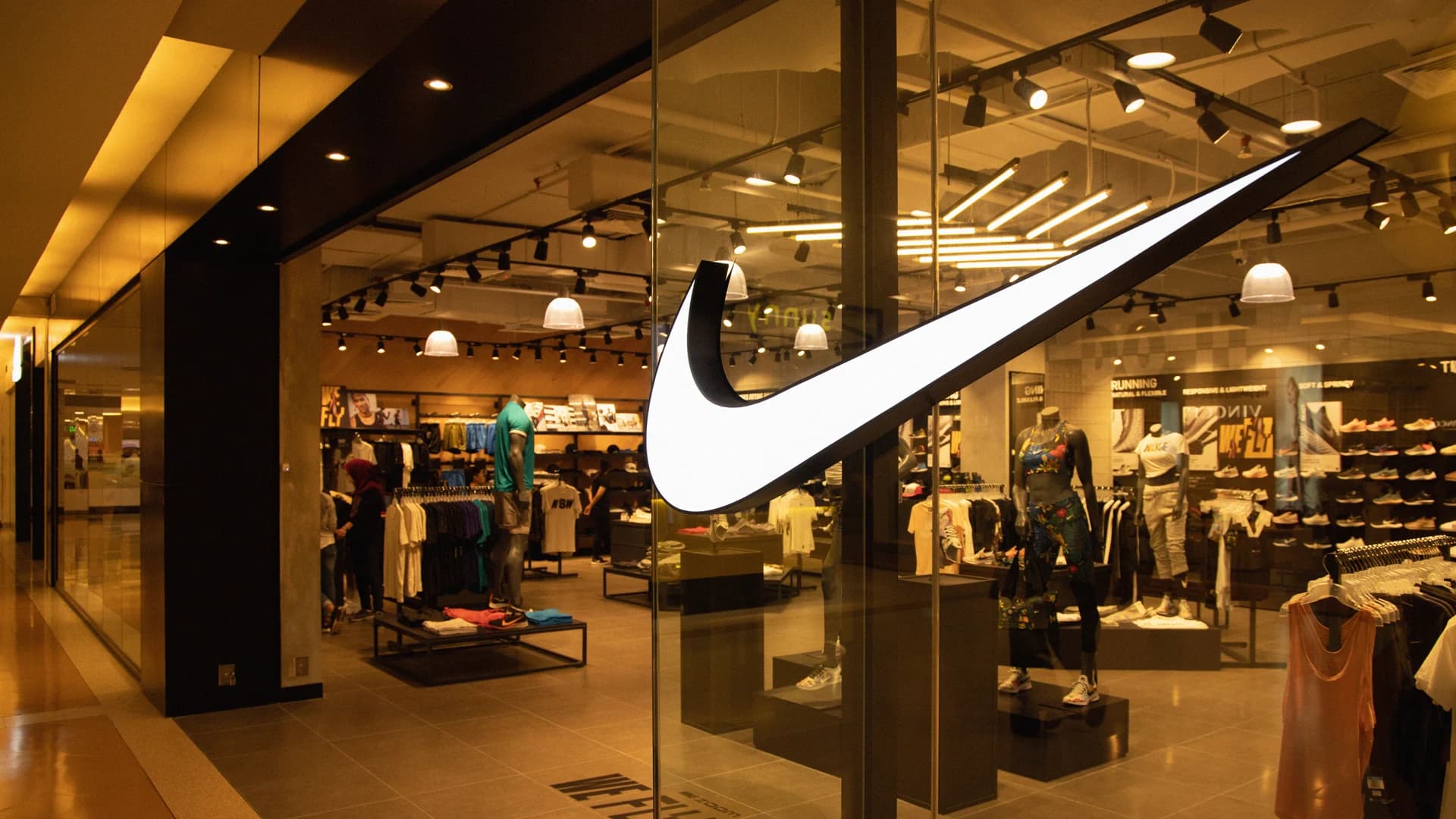
Photo via Inc.
Athletic footwear and apparel giant Nike is facing significant headwinds, with its stock price reaching its lowest point in nearly a decade. The decline reflects broader challenges in the retail sector, particularly among established brands navigating shifting consumer preferences and market conditions. For Dallas-area investors and business leaders tracking major market movements, Nike's struggles signal potential ripple effects across the retail and consumer goods landscape.
The severity of Nike's downturn underscores the difficulty even market-leading companies face when adapting to changing business environments. Questions now center on whether the company possesses adequate time and resources to implement a meaningful recovery strategy. Industry analysts are closely monitoring Nike's upcoming strategic initiatives and financial guidance for signals about its path forward.
Nike's challenges carry implications for North Texas retail professionals and supply chain stakeholders. As a major player in athletic wear and footwear distribution, the company's performance influences regional logistics networks, retail partnerships, and consumer spending patterns that affect local businesses dependent on apparel sector health.
Investors and business leaders should monitor Nike's quarterly earnings reports and management commentary for evidence of turnaround progress. The company's ability to reconnect with consumers and stabilize its market position will likely set the tone for broader retail sector confidence in the coming months.