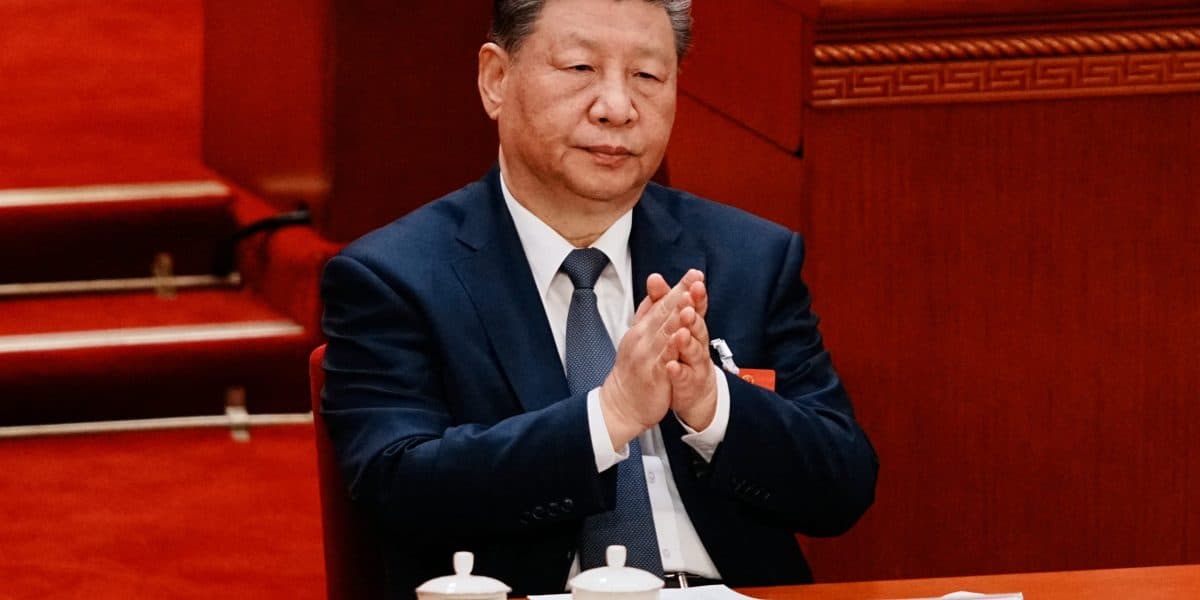
Photo via Fortune
China's fiscal situation has grown increasingly precarious, with the nation's combined public and private sector debt now representing 300% of its gross domestic product, according to recent analysis. This debt burden far outpaces that of the United States and continues to worsen at an accelerating pace. For Dallas-area business leaders with exposure to Chinese markets, supply chains, or investment portfolios, this deterioration warrants close attention.
The sheer magnitude of China's debt load creates systemic risks that extend well beyond Beijing's borders. Unlike the U.S. debt situation, which remains manageable relative to economic output, China's borrowing spiral shows few signs of stabilization. The combination of slowing economic growth and mounting obligations creates a fragile backdrop for international commerce and capital flows that Dallas firms depend on.
Dallas-based companies in manufacturing, technology, and logistics sectors face potential headwinds if Chinese financial instability disrupts trade relationships or investment opportunities. The energy sector, a significant component of the Dallas economy, could also feel ripple effects through commodity pricing and demand fluctuations tied to Chinese economic health.
Business strategists recommend Dallas companies reassess their exposure to China and diversify supply chain dependencies where possible. Monitoring Beijing's policy responses and fiscal indicators should become part of standard risk management for any organization with meaningful Chinese operations or trade relationships. The stakes are significant enough that proactive planning today could mitigate costly disruptions tomorrow.