Photo via Fortune
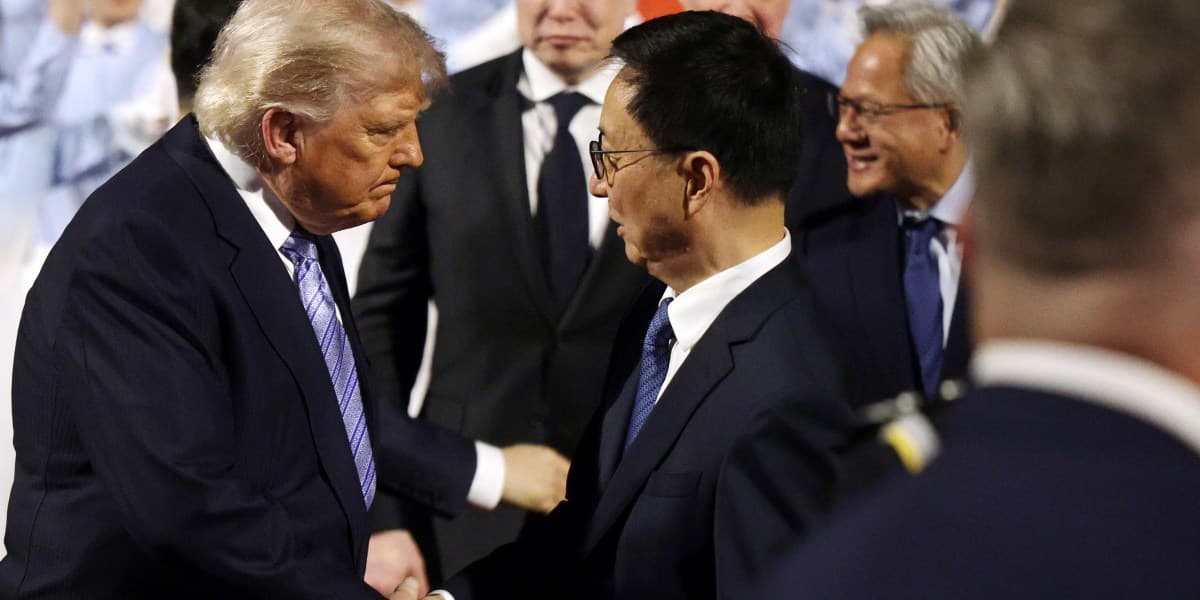
Boeing's relationship with China's commercial aviation market has been stalled since 2017, but shifting geopolitical dynamics may be opening new doors for the aerospace giant. According to Fortune, the incoming Trump administration's approach to trade could fundamentally alter the competitive landscape between Boeing and Europe's Airbus in securing Chinese aircraft orders. With Beijing potentially interested in diversifying its aircraft supplier base, Boeing stands poised for a significant comeback after years of diplomatic and trade tensions.
The potential scale of this opportunity is substantial. Chinese carriers and manufacturers have signaled interest in acquiring approximately 500 new commercial jets over the coming years—a market opportunity worth tens of billions of dollars. Such a deal would represent a watershed moment for Boeing and could reshape the global aerospace supply chain, including the specialized manufacturing and logistics networks that support it from hubs like the Dallas-Fort Worth area.
For North Texas companies involved in aerospace manufacturing, engineering, and supply chain operations, a Boeing-China breakthrough could translate into increased demand and production activity. The region hosts numerous suppliers to Boeing's commercial aircraft division, and expanded orders would likely ripple through local operations and support systems. Understanding these trade dynamics has become essential for business leaders tracking aerospace sector trends.
The outcome remains uncertain and will likely depend on how U.S.-China trade relations develop under the new administration. Industry observers emphasize that sustained diplomatic progress would be necessary to convert potential interest into actual orders. Texas business leaders should monitor these developments closely, as the aerospace sector remains a critical component of the state's advanced manufacturing economy.