Photo via Inc.
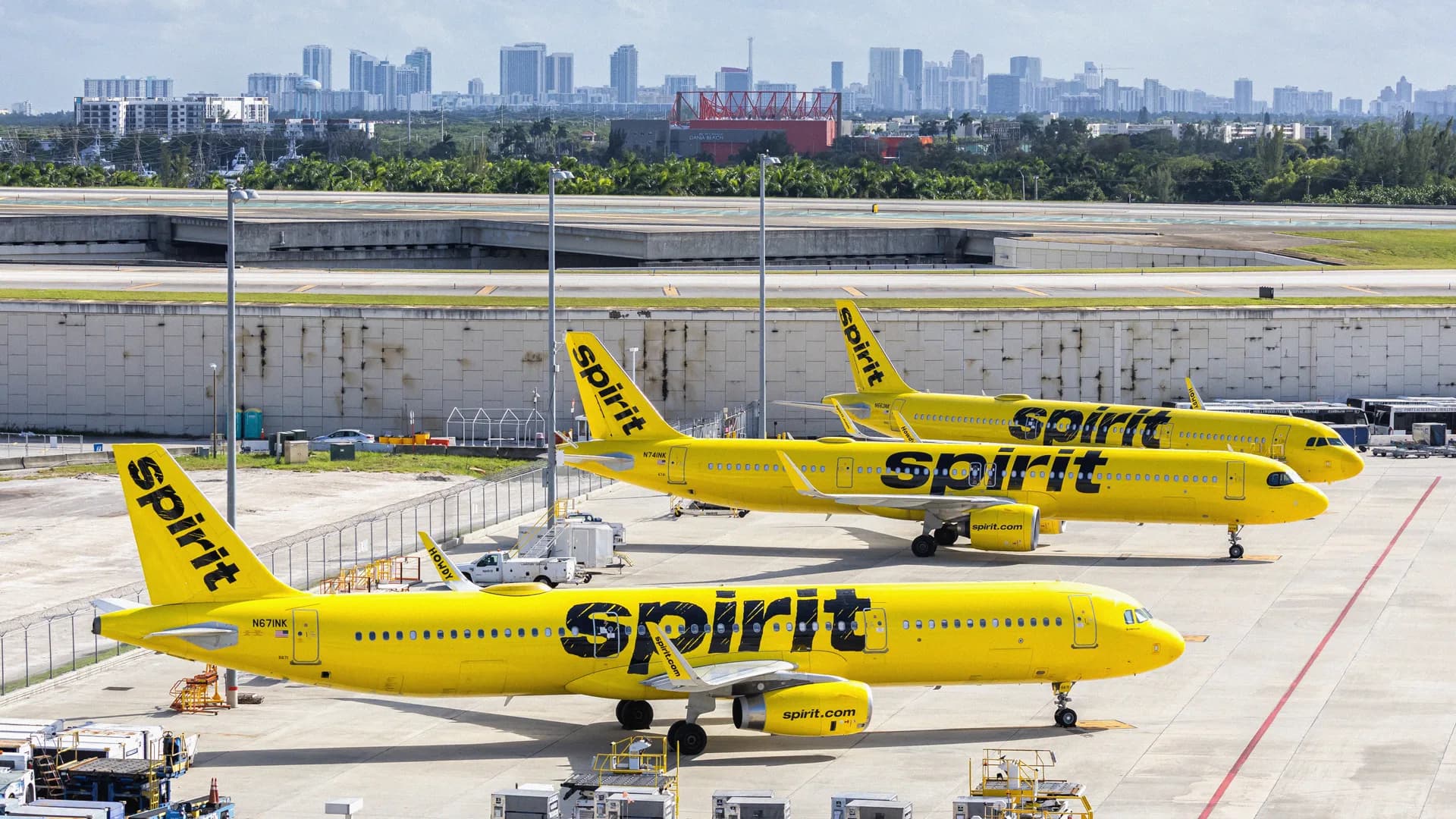
The sudden collapse of Spirit Airlines in November 2024 created an unprecedented logistical puzzle for aviation recovery specialists. According to Inc., companies like Nomadic Aviation Group had to rapidly coordinate pilots and personnel across multiple states to secure and relocate dozens of aircraft before creditors and other claimants could intervene. This kind of high-stakes asset recovery operation underscores the complex supply chains that keep the airline industry functioning—and the vulnerabilities that emerge when carriers fail.
For Dallas-area aviation and logistics professionals, the Spirit situation offers important lessons about contingency planning and rapid-response operations. The region's strong aerospace and transportation sectors have long dealt with supply chain disruptions, but an airline collapse represents a different magnitude of challenge. Companies in Dallas that depend on air freight or regional carriers should examine their own operational redundancies and recovery protocols.
Nomadic Aviation Group's ability to mobilize 20 pilots within a six-hour window demonstrates the specialized expertise required in aviation asset management. This kind of rapid coordination requires deep industry relationships, regulatory knowledge, and pre-positioned resources. The operation protected millions in equipment value while managing complex jurisdictional and creditor issues—a reminder that modern logistics extends far beyond truck routes and warehouse management.
As air travel demand remains strong across Texas and the Southwest, the Spirit collapse raises questions about industry consolidation and financial stability in low-cost carriers. For Dallas business leaders in related sectors, the incident highlights both the opportunities in aviation services and the risks inherent in serving a volatile industry. Understanding these dynamics is crucial for companies evaluating partnerships or supply chain dependencies on regional airlines.