Photo via Yahoo! News
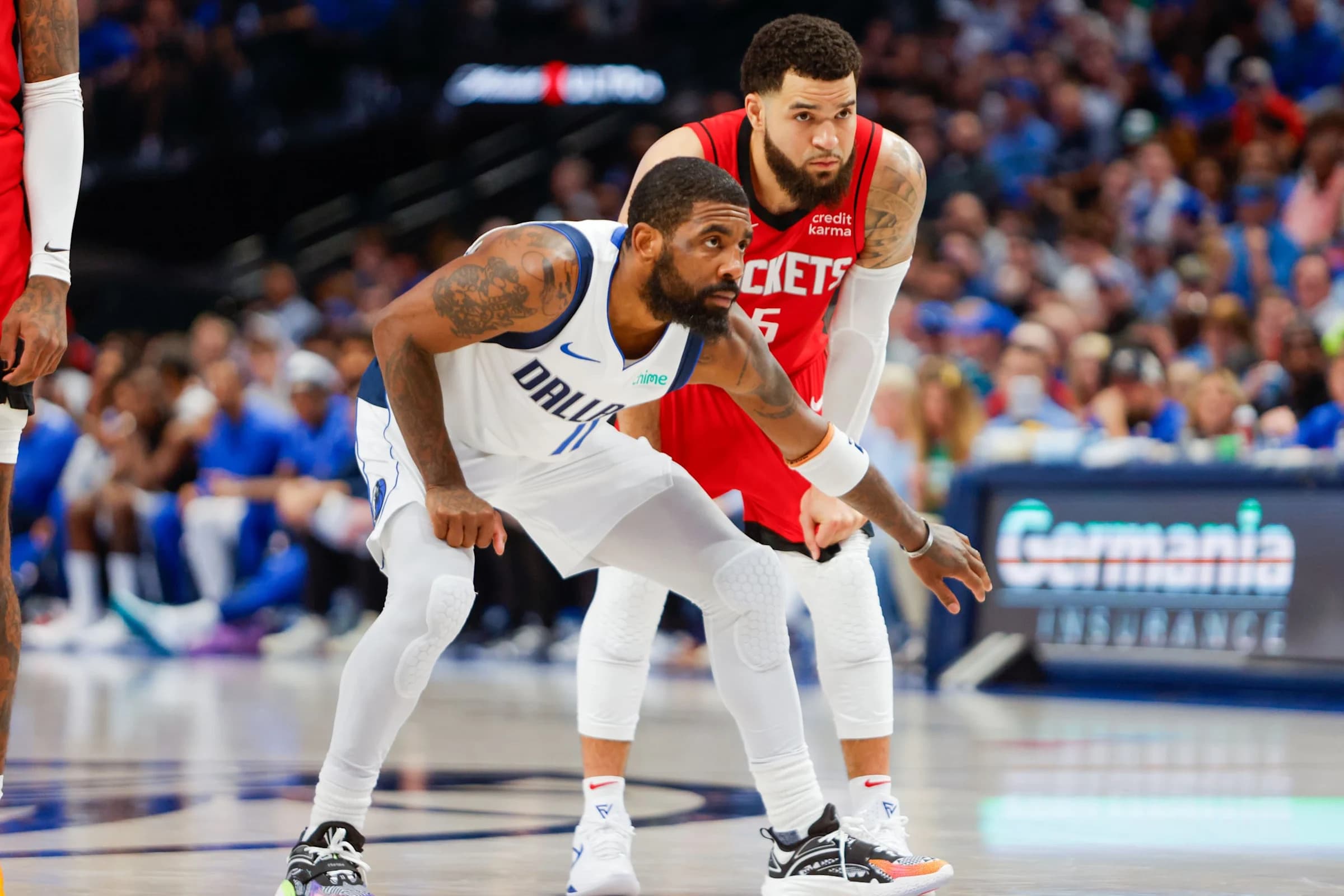
The Minnesota Timberwolves' early playoff exit this season has sparked significant discussion about roster construction and competitive strategy in professional sports. According to Yahoo! News, the franchise is already evaluating potential star acquisitions—including players like Kyrie Irving and Fred VanVleet—as they chart a course toward contention in the 2026-27 season. This aggressive approach to roster rebuilding underscores how quickly front offices must act in today's fast-moving NBA marketplace.
For Dallas business observers, the Timberwolves' situation offers instructive lessons in organizational management and resource allocation. Just as the Dallas Mavericks have navigated their own championship aspirations through player acquisitions and salary cap maneuvering, Minnesota's decision-making reflects the complex financial and strategic calculations required to compete at the highest levels. The cost of acquiring marquee talent ripples through franchise operations, affecting everything from local sponsorships to arena revenue.
The broader sports management landscape reveals how franchise valuations and competitive positioning influence regional economies. When teams invest heavily in player acquisition, it affects ticket sales, merchandise revenue, and local business partnerships—dynamics that have direct relevance to Dallas's own sports business ecosystem. The Timberwolves' pursuit of championship-caliber talent demonstrates the ongoing arms race among NBA franchises seeking competitive advantage.
As professional sports franchises continue pursuing premium talent, Dallas business leaders should monitor how these strategies affect regional competition and business opportunities. Whether through direct partnerships, sponsorships, or entertainment economy participation, the ripple effects of national sports business decisions extend beyond the court and into local markets. Understanding these dynamics helps stakeholders anticipate trends and identify opportunities within the evolving sports business landscape.