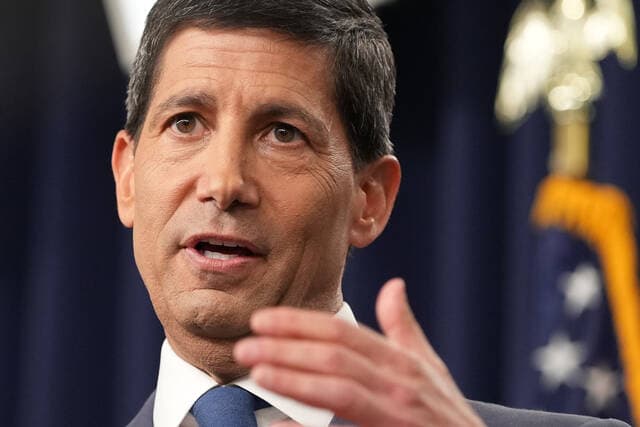
Photo via The Jamestown Sun
Tribal colleges across the country face a significant fiscal challenge as federal funding pressures mount, according to reporting from The Jamestown Sun. These institutions, which serve as anchors for education and economic opportunity in Native American communities, depend heavily on U.S. government subsidies that account for a substantial portion of their operating budgets. The funding cuts raise broader questions about the federal government's commitment to honoring treaty obligations and supporting educational infrastructure in underserved regions.
The business case for robust tribal college funding extends beyond the immediate communities they serve. These institutions function as workforce development engines, training graduates for careers in healthcare, technology, skilled trades, and other sectors facing talent shortages across rural and regional economies. When funding contracts, graduation rates and program quality often suffer, reducing the pipeline of qualified workers that employers in growing markets depend on.
From a corporate perspective, workforce development investments—whether public or private—ultimately affect business operating costs and competitive positioning. Companies seeking to expand into or operate within regions served by tribal colleges benefit from a steady supply of trained talent. Conversely, underfunded educational institutions create labor market gaps that can stunt regional economic growth and increase hiring costs for employers.
The debate over tribal college funding reflects a larger conversation about how America invests in human capital and fulfills long-standing commitments to tribal nations. Business leaders and policymakers who recognize the connection between educational access and economic vitality have a stake in ensuring these institutions remain viable. The question now is whether federal support will align with stated priorities around workforce development and community self-determination.