Photo via Fortune
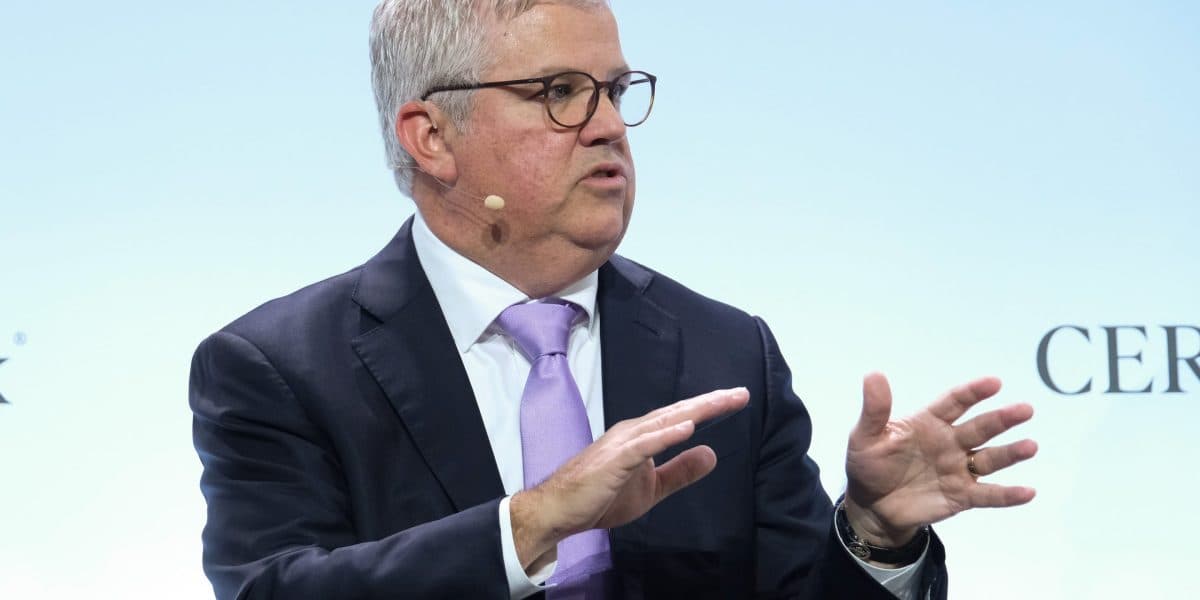
Robert Gaudette is stepping into the top role at NRG Energy with a strategic focus on two major market forces reshaping the power industry: the explosive electricity demands of artificial intelligence infrastructure and the persistent challenge of keeping energy costs manageable for everyday consumers. According to Fortune, Gaudette's appointment signals the Houston-based energy company's intention to pivot aggressively toward growth opportunities in the data center and AI sectors, even as traditional utilities grapple with constrained power grids.
A central pillar of Gaudette's strategy involves developing 'bring your own power' solutions tailored for energy-intensive AI operations. Data centers powering large language models and machine learning applications consume enormous amounts of electricity, creating opportunities for specialized energy providers willing to build dedicated power infrastructure. This approach allows NRG to contract directly with tech companies seeking reliable, customized energy solutions—a market segment that increasingly views power as a competitive advantage rather than a commodity.
Simultaneously, Gaudette is championing 'virtual power plants,' a distributed energy model that could reshape how residents and small businesses access affordable electricity. By aggregating small-scale renewable sources, battery storage, and demand-response capabilities across networks, virtual power plants promise to reduce costs while enhancing grid resilience. For Dallas-area consumers already concerned about rising utility bills, such innovations represent a potential avenue for price relief and greater energy independence.
The dual strategy reflects broader shifts in Texas's energy landscape. As Dallas continues to attract technology companies and data center operators, reliable power infrastructure has become essential to regional competitiveness. NRG's pivot toward serving high-demand industrial customers while investing in consumer-friendly solutions positions the company at the intersection of Texas's tech boom and its longstanding energy expertise—a positioning that could reshape how both businesses and households access and afford electricity in the years ahead.