Photo via Memeorandum
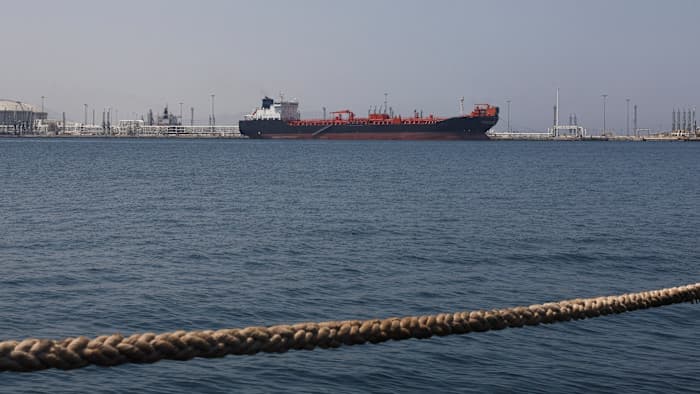
The Trump administration's ambitious $40 billion insurance scheme designed to protect vessels transiting the Strait of Hormuz has yet to generate a single transaction, according to reporting from the Financial Times. The program, launched two months ago, was intended to encourage commercial shipping through one of the world's most critical chokepoints for global energy supplies.
Industry analysts attribute the program's lack of uptake to a fundamental problem: the absence of dedicated U.S. naval escort protection through the waterway. Without guaranteed military protection, shipping companies and their insurers appear unwilling to rely solely on an insurance guarantee to offset the geopolitical and security risks inherent in the region.
For Dallas-area businesses dependent on stable global energy prices and reliable supply chains—including petrochemical manufacturers, logistics firms, and energy traders—the initiative's failure underscores ongoing uncertainty about maritime security in the Middle East. Many Texas-based companies with exposure to Gulf operations face continued pressure to maintain higher insurance costs and operational contingencies.
The zero uptake raises questions about the program's design and whether additional incentives or structural changes will be necessary to make it viable. Industry observers suggest that meaningful participation may require either expanded naval commitments or revised terms that more directly address shipper concerns about transit safety and liability.