Photo via Fast Company
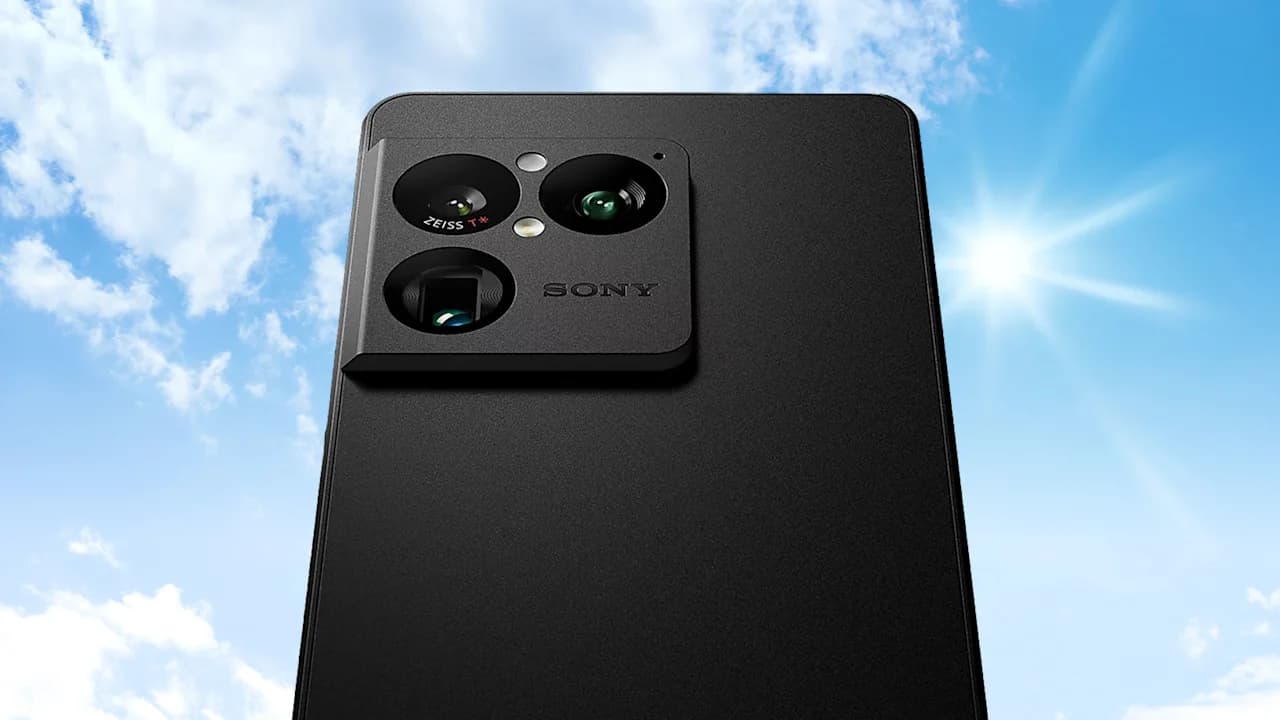
Sony's recent promotional push for its new AI Camera Assistant feature backfired spectacularly on social media, turning a product announcement into an internet mockery. The smartphone maker shared before-and-after photo examples meant to showcase the feature's lens, exposure, and color suggestions—but the results were decidedly unflattering, with images appearing overexposed and lacking depth. The demonstration was so poorly received that it accumulated over 11 million views and thousands of critical comments, raising eyebrows across the tech industry.
The backlash wasn't merely a case of constructive criticism. Users on X and Reddit expressed genuine confusion about how Sony, a company with legendary imaging expertise, could present such subpar examples as promotional material. Comments ranged from sardonic jabs like 'If this is intelligence, I'd prefer my phone dumb' to outright skepticism about the company's intentions. Industry observers, including Carlos Pei, CEO of consumer tech firm Nothing, questioned whether the obvious flaws were deliberate engagement-farming tactics designed to generate viral conversation.
Sony eventually issued a clarification post explaining that the AI Camera Assistant suggests four different creative settings rather than automatically editing photos. However, by that point, the damage to the brand's credibility was done. Social media users dismissed the explanation as too little, too late, with one commenter succinctly noting that 'the meme train can't be stopped.' This incident underscores a growing trend of brands using controversial or provocative content to drive online engagement, regardless of reputational consequences.
For Dallas-area tech companies and marketers, Sony's misstep serves as a cautionary tale about the risks of launching products without sufficient testing or vetting of promotional materials. As consumer expectations around AI capabilities continue to evolve, brands must balance innovation messaging with authentic product performance. The incident also highlights how quickly social media can amplify corporate mistakes—a reality that local tech firms should carefully consider when planning their own AI-driven product rollouts.