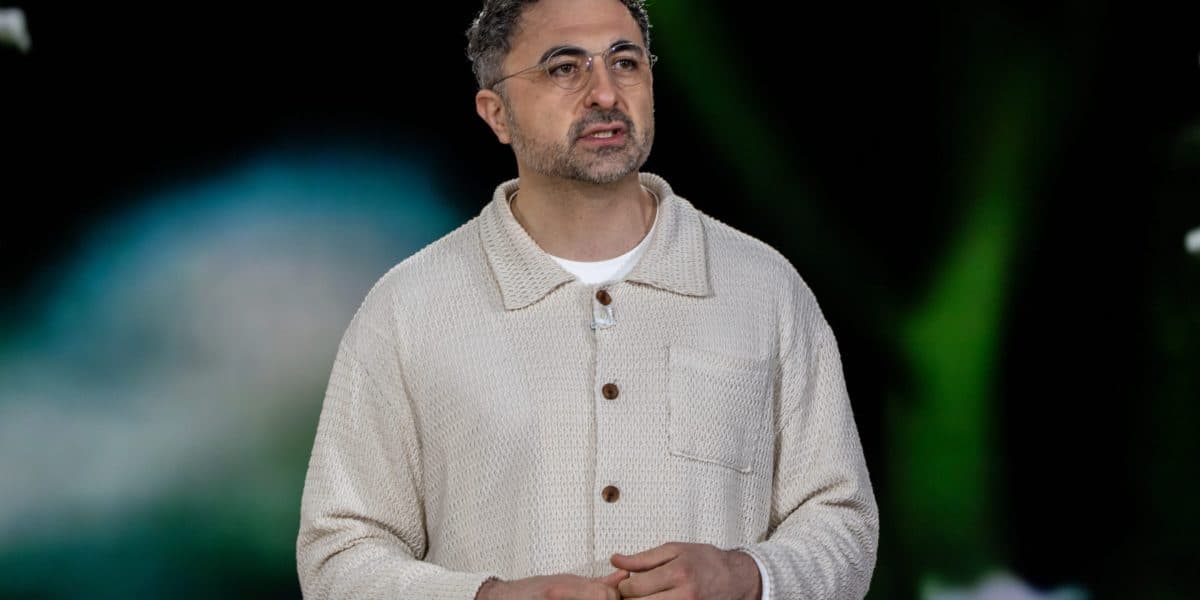
Photo via Fortune
According to Fortune, Mustafa Suleyman, Microsoft's chief AI officer, has raised alarm about the accelerating timeline for artificial intelligence to disrupt white-collar employment. Suleyman projects that within just 18 months, AI capabilities could fundamentally transform how office-based professionals—from accountants to analysts to software developers—perform their daily tasks. His forecast suggests the current trajectory of AI computational power is moving faster than many business leaders anticipated.
The warning carries significant implications for Dallas's thriving professional services sector, which includes major consulting firms, financial institutions, and technology companies concentrated in the downtown core and Las Colinas. Workers in roles involving data analysis, document review, financial modeling, and routine software development could face substantial workflow changes as AI systems become more sophisticated and integrated into workplace tools.
Suleyman's timeline underscores the need for Dallas-area businesses to begin strategic workforce planning and upskilling initiatives now rather than later. Companies that proactively invest in employee retraining programs and develop clear strategies for human-AI collaboration may gain competitive advantages over those caught flat-footed by rapid automation. Industry leaders and HR professionals should consider how their organizations will leverage AI while preserving institutional knowledge and employee value.
The broader message from Microsoft's AI leadership suggests that the conversation around artificial intelligence has shifted from theoretical possibility to imminent business reality. Dallas entrepreneurs, corporate executives, and workforce development organizations should treat this 18-month window as a critical period to assess vulnerability, identify automation opportunities, and prepare their talent strategies for a fundamentally different working landscape.