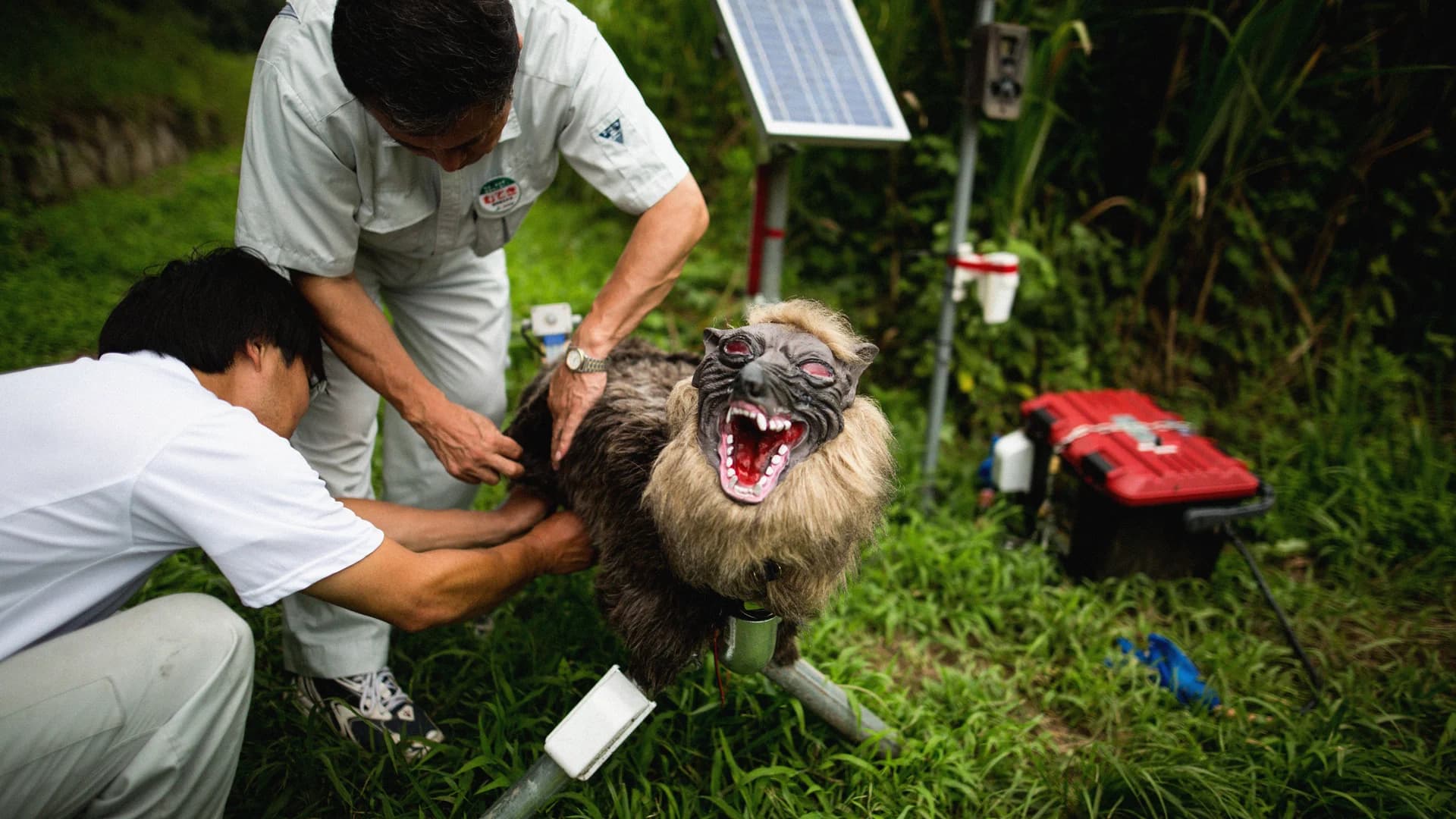
Photo via Inc.
Japanese engineers have developed an unconventional solution to wildlife management: a robotic wolf designed to deter bears and other dangerous animals from populated areas and agricultural zones. According to Inc., this 'Monster Wolf' uses realistic movement and sound to frighten wildlife away from human settlements and crop fields, offering a non-lethal alternative to traditional animal control methods.
The technology reflects a growing trend in Asia toward automated solutions for environmental challenges that pit human development against wildlife habitats. As urban and agricultural expansion continues globally, companies and municipalities are increasingly exploring robotic deterrents as a cost-effective and humane way to reduce conflicts between humans and animals.
For Texas agribusiness and rural communities, such innovations merit consideration. Texas faces its own wildlife management challenges, particularly in ranching and farming regions where predators and large animals threaten livestock and property. The success of Japan's robotic approach could inspire similar solutions tailored to Texas wildlife, from feral hog management to predator control.
As automation technology advances, agricultural technology companies in Texas and across the region have an opportunity to adapt and localize such innovations. The convergence of robotics, AI, and environmental management represents an emerging market segment that could create new business opportunities for tech-forward companies positioned to serve the state's substantial agricultural sector.