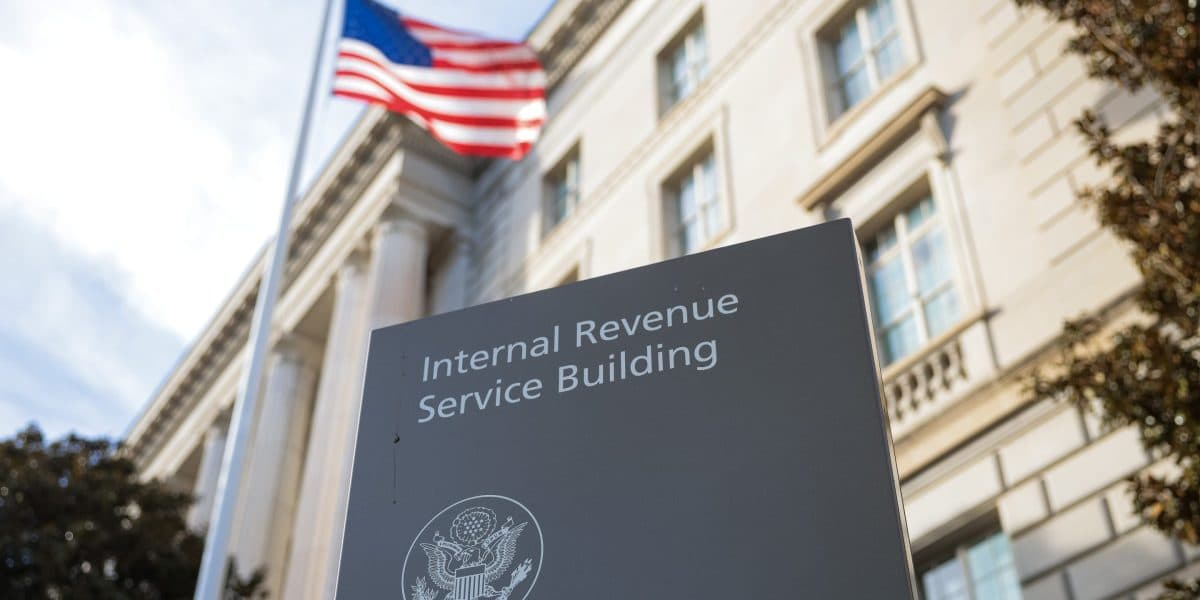
Photo via Fortune
According to Fortune, a settlement in litigation brought by former President Donald Trump against the Internal Revenue Service may result in the creation of a $1.7 billion compensation fund. The fund would be designed to reimburse individuals and entities who claim they were targeted by the agency as part of what Trump's legal team characterizes as 'government weaponization.'
The proposed settlement represents a significant development in ongoing disputes over IRS enforcement practices and agency oversight. The lawsuit centers on allegations that the tax agency improperly singled out certain taxpayers for audits and enforcement actions based on political considerations rather than standard compliance protocols.
For Dallas-area business owners and executives, any changes to IRS settlement practices or enforcement standards could affect how their companies navigate tax audits and regulatory interactions. The outcome may also influence broader discussions about agency accountability and the standard of proof required in tax disputes—matters that directly impact local business operations and compliance costs.
The compensation fund structure, if implemented, would establish a precedent for addressing claims of selective IRS enforcement. Business leaders should monitor the settlement's final terms, as they may influence future tax policy, audit procedures, and the regulatory environment for companies operating in North Texas and beyond.