Photo via Fast Company
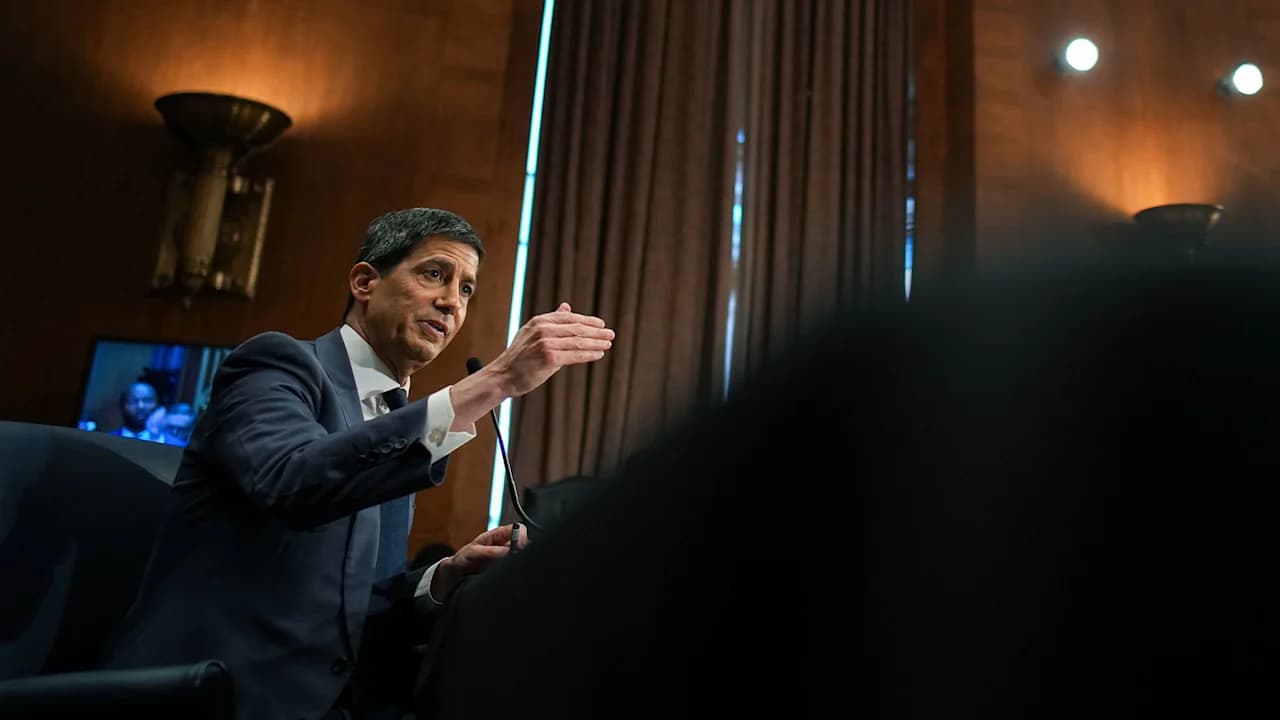
Kevin Warsh appears poised for Senate confirmation as the next Federal Reserve chair, a position that will give him enormous influence over U.S. monetary policy and, by extension, the Dallas-Fort Worth business community. During his confirmation hearing, senators grilled Warsh on whether he would maintain the Fed's independence from presidential pressure—a question with real implications for local companies and investors. President Donald Trump has publicly pushed for aggressive rate cuts, but Warsh's track record suggests his approach may prove more nuanced than critics fear.
Throughout his career, Warsh has held opposing views on monetary policy. As a Federal Reserve governor after the 2008 financial crisis, he advocated for rate hikes to combat inflation and questioned the Fed's stimulus programs. More recently, however, he has supported lower rates, aligned with Trump's economic agenda. This apparent shift raises questions about whether Warsh can balance political pressure with his responsibility to manage inflation—a concern that hits home for Dallas companies watching mortgage rates, borrowing costs, and supply chain inflation closely.
According to scholars who study central banking, Warsh's extensive background in finance—including roles at Morgan Stanley and Duquesne Capital—may actually strengthen his independence from the White House. Wall Street has historically preferred hawkish policies that prioritize lower inflation over rapid growth, even if that means higher rates. This preference could give Warsh incentive to resist presidential pressure once confirmed, similar to how Jerome Powell demonstrated independence despite his own finance sector experience.
For Dallas-area business leaders, the stakes are significant. The Fed's decisions directly affect mortgage rates for commercial real estate, borrowing costs for expansion, and inflation pressures on supply chains. While Warsh's deep financial ties present conflicts-of-interest concerns—particularly around bank deregulation—his demonstrated hawkish leanings may ultimately shield the Fed from politicization. Investors and executives should watch his early policy decisions closely to gauge whether independence or political alignment will prevail.