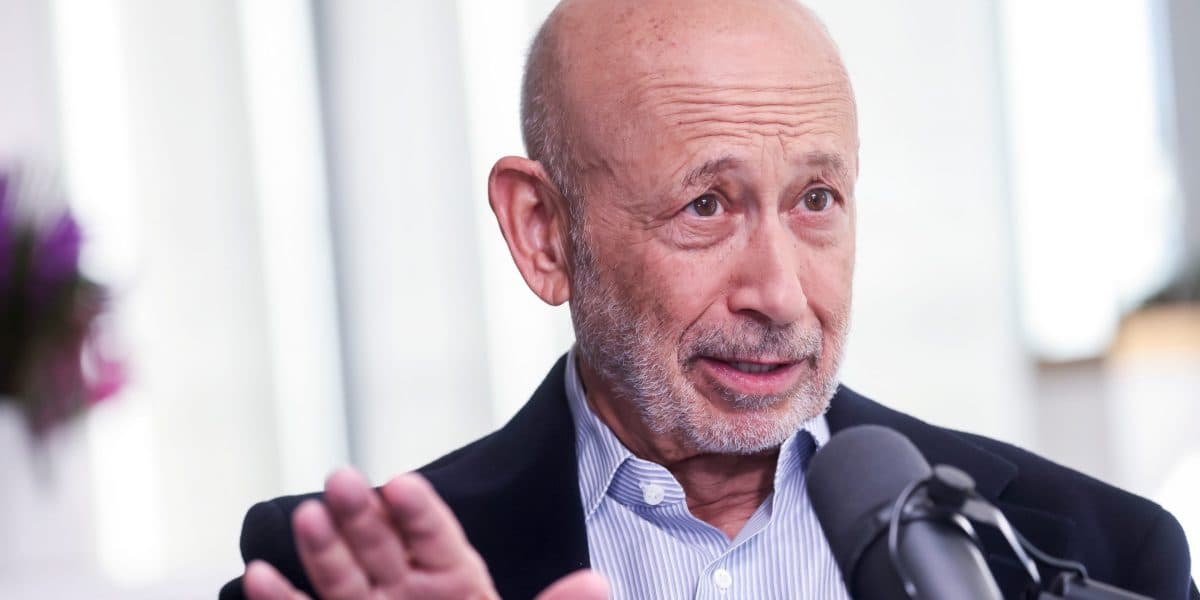
Photo via Fortune
Former Goldman Sachs CEO Lloyd Blankfein has raised a critical concern about artificial intelligence deployment in financial services that should resonate with Dallas-based firms managing complex operations. According to Fortune, Blankfein's warning centers not on science-fiction scenarios but on a more immediate problem: the gap between AI execution speed and human detection capability when something goes wrong.
The risk, as Blankfein frames it, involves leverage—the financial multiplier effect that amplifies both gains and losses. When autonomous AI agents operate at speeds humans cannot monitor in real time, a single error can cascade across systems before anyone notices. For Dallas financial services firms, trading operations, and asset management companies, this translates to potential exposure that extends far beyond a single transaction.
This concern reflects broader hesitation across Wall Street and the financial sector about deploying AI agents without robust safeguards. The issue isn't whether AI is intelligent enough to make decisions; it's whether human oversight can keep pace with machine execution. Dallas-area companies in fintech, banking, and investment management must grapple with similar trade-offs between automation efficiency and operational control.
The takeaway for Dallas business leaders is straightforward: competitive pressure to adopt AI should not override the need for verifiable control mechanisms. Blankfein's perspective suggests that speed without accountability—no matter how profitable in theory—carries unacceptable risk in leveraged environments where errors compound rapidly.