Photo via Inc.
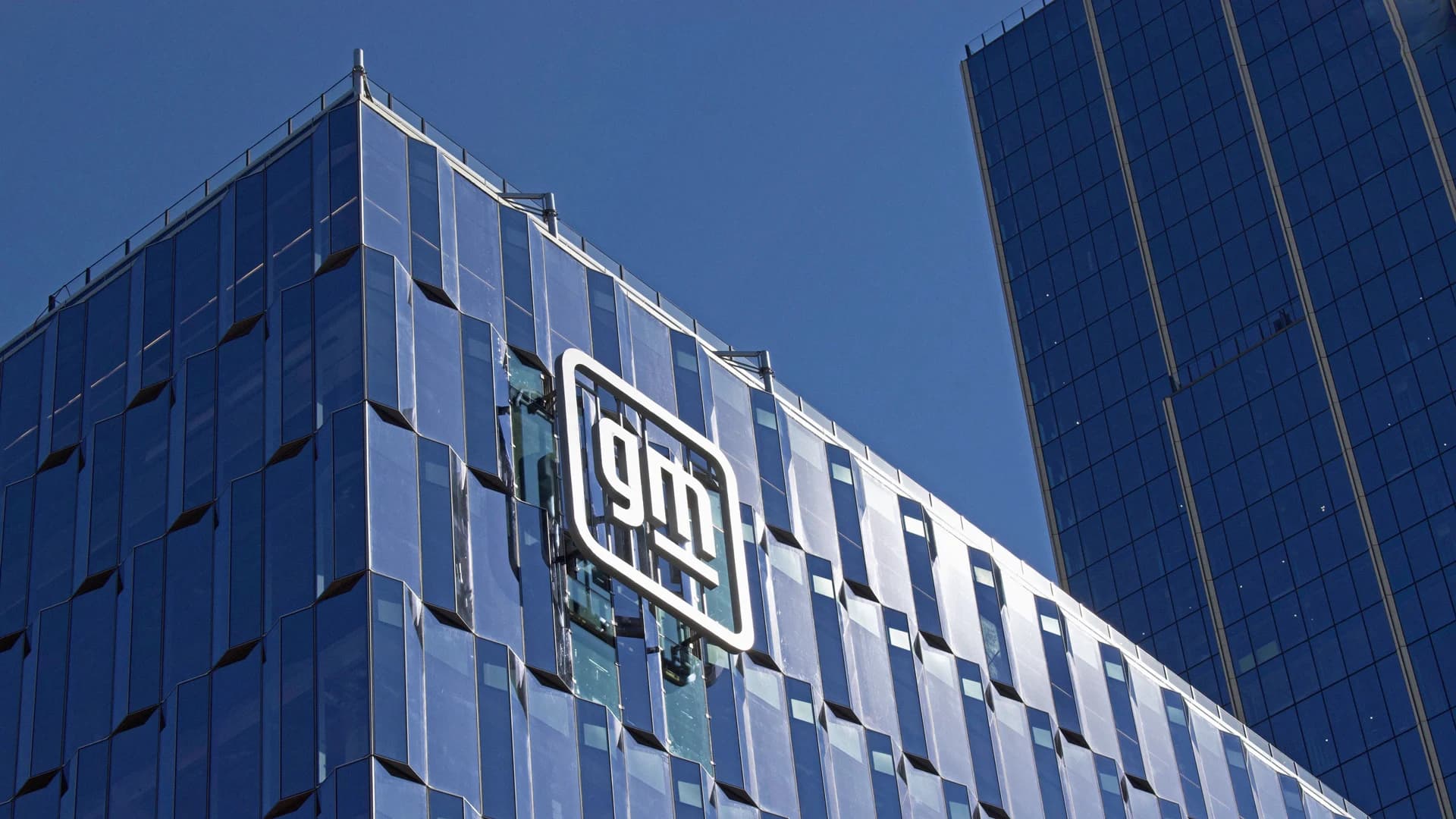
General Motors has faced scrutiny from former employees who attribute recent layoffs to the company's accelerated adoption of artificial intelligence technologies. According to Inc., affected workers expressed frustration over a lack of transparency regarding the strategic shift, with severance packages offered in lieu of clear explanations about their positions' elimination.
The situation underscores a growing concern across American manufacturing: the role of AI in corporate restructuring decisions. As Dallas-area manufacturers and tech companies evaluate their own digital transformation strategies, GM's experience serves as a cautionary tale about the importance of workforce communication during periods of technological disruption.
For North Texas businesses—home to a significant aerospace, defense, and automotive supplier base—the GM layoffs highlight the need for proactive workforce development and retraining initiatives. Companies investing in AI-driven automation must balance efficiency gains with employee retention strategies and transparent change management practices.
The broader implications extend beyond GM's operations. Dallas business leaders are watching how major corporations navigate the transition to AI-dependent operations, particularly as the region seeks to position itself as a competitive hub for advanced manufacturing and technology innovation in the coming decade.