Photo via Inc.
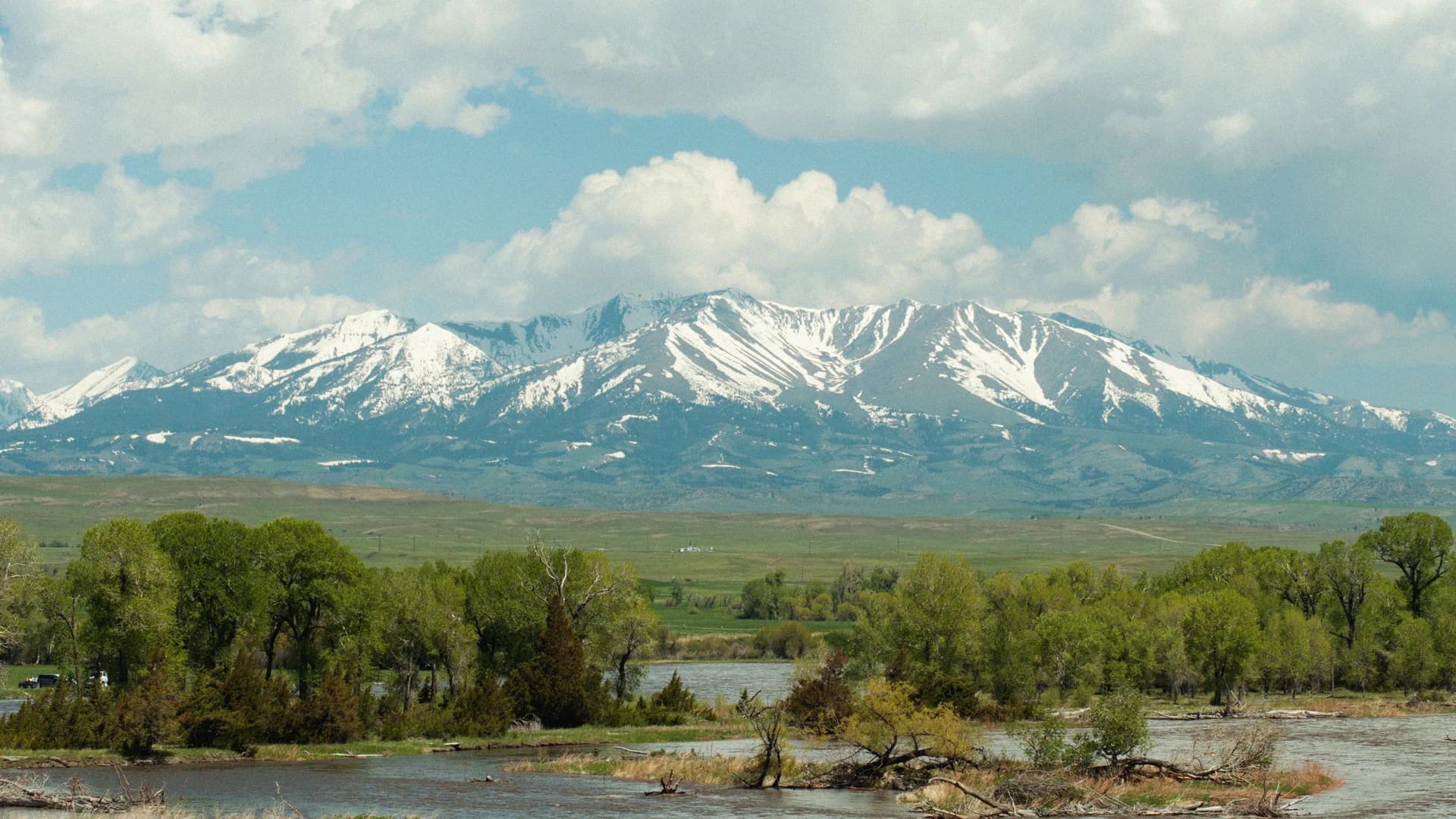
According to Inc., Montana's ultra-exclusive Yellowstone Club has been at the center of a contentious land transaction that converted approximately 4,000 acres of publicly-owned property into private holdings. The deal, orchestrated over several years, demonstrates how even remote resort communities navigate complex real estate negotiations that pit private interests against public access and conservation concerns.
The transaction sparked significant opposition from local residents who view public lands as community assets. This dispute reflects broader tensions across the country—including in Texas—where high-value development projects increasingly clash with community preservation efforts. Dallas-area developers and investors should note how these conflicts can complicate project timelines, increase regulatory scrutiny, and damage stakeholder relationships.
The Yellowstone Club case underscores the importance of transparent stakeholder engagement in major land transactions. Sophisticated real estate players recognize that securing permits and public approval requires more than legal compliance; it demands genuine community dialogue. Texas resort and recreational property developers face similar pressures when expanding operations or acquiring adjacent land.
For Dallas business leaders involved in real estate development, the Yellowstone Club situation offers a cautionary lesson: large-scale land consolidation without adequate community input and transparent processes can generate costly legal battles and reputational damage. Proactive communication and collaborative planning often prove more efficient—and profitable—than navigating protracted conflicts.