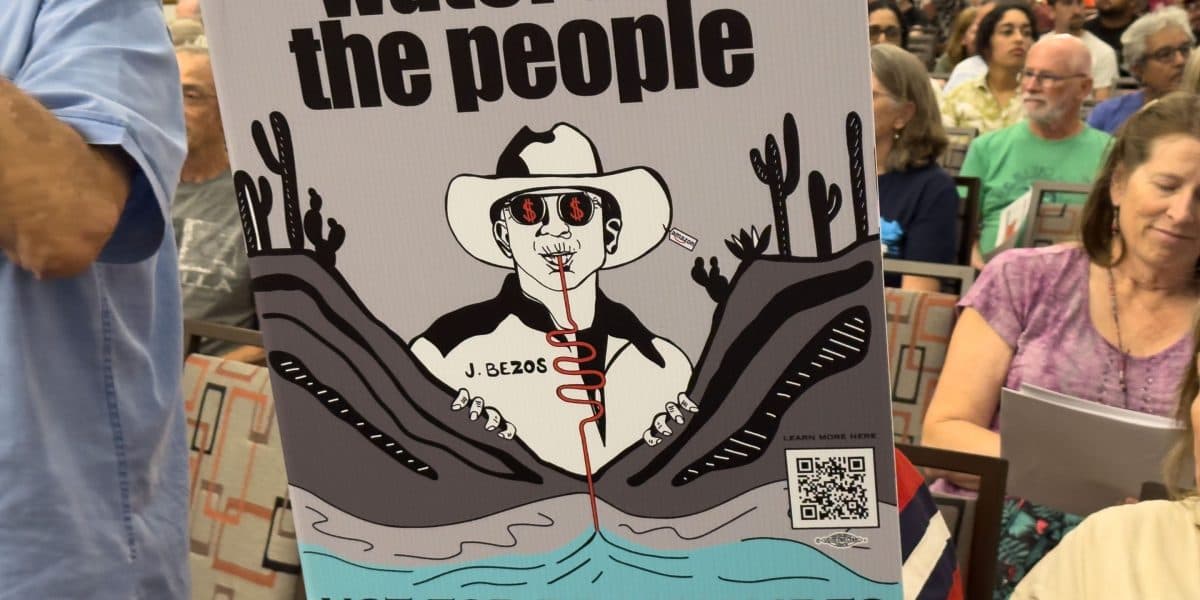
Photo via Fortune
The explosive growth of data center infrastructure across the United States is creating unexpected consequences for rural communities, according to Fortune. Water consumption at these facilities—essential for cooling servers and maintaining operations—has become a point of contention in water-stressed regions, where residents are discovering that computing demands compete directly with household and agricultural needs.
Rural towns from multiple states report significant challenges ranging from diminished water pressure to unauthorized groundwater extraction. Communities that typically have limited resources for infrastructure investment are now grappling with the reality that data center operations can monopolize local water supplies, leaving residents and farmers to manage reduced access during critical periods.
For Dallas-area business leaders, this emerging issue carries regional implications. As Texas continues to attract technology companies and data center investments—particularly given the state's energy advantages and business-friendly policies—local water availability could become a competitive factor for future development. North Texas, despite its relative water security compared to the Southwest, should monitor these trends closely.
The situation highlights a broader sustainability challenge facing the technology industry: balancing explosive data growth and infrastructure expansion with responsible resource management. Industry stakeholders and policymakers will likely need to develop new frameworks around water usage, recycling technologies, and geographic site selection to prevent similar conflicts in growing tech hubs.