Photo via Inc.
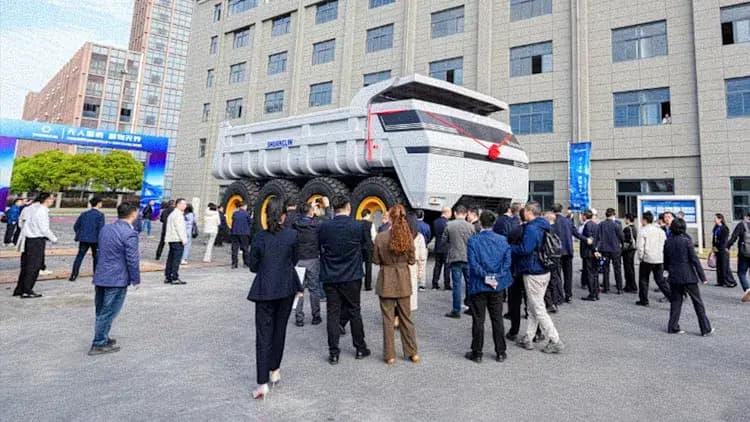
While much of the artificial intelligence conversation centers on humanoid robots and consumer-facing applications, a quieter revolution is underway in industrial automation. According to Inc., Chinese manufacturers are deploying massive autonomous mining trucks that operate without human drivers, signaling a broader shift toward AI-powered machinery across heavy industries. These vehicles represent a significant leap in autonomous technology beyond simple automation, showcasing sophisticated decision-making and real-time operational adjustments.
For Dallas-area businesses, particularly those in energy extraction and logistics, this development carries strategic weight. Texas remains a major hub for mining operations, energy infrastructure, and supply chain management. As autonomous industrial equipment becomes more sophisticated and cost-effective, companies across these sectors will face decisions about technology adoption, workforce planning, and competitive positioning in an increasingly automated landscape.
The driverless mining trucks demonstrate several critical capabilities: they navigate complex terrain, coordinate with other vehicles, and operate continuously without fatigue. These attributes translate directly to operational efficiency and cost reduction—metrics that resonate across industries. For companies managing large-scale operations or asset-intensive businesses, the economic case for such automation becomes increasingly compelling as the technology matures and deployment costs decline.
As industrial AI continues its rapid advancement, Dallas-based companies should monitor these developments closely. The question is no longer whether autonomous industrial equipment will become mainstream, but when adoption will accelerate and how organizations can best prepare for the transition. Strategic foresight now—evaluating supplier relationships, workforce development, and infrastructure requirements—could determine competitive advantage in the coming years.