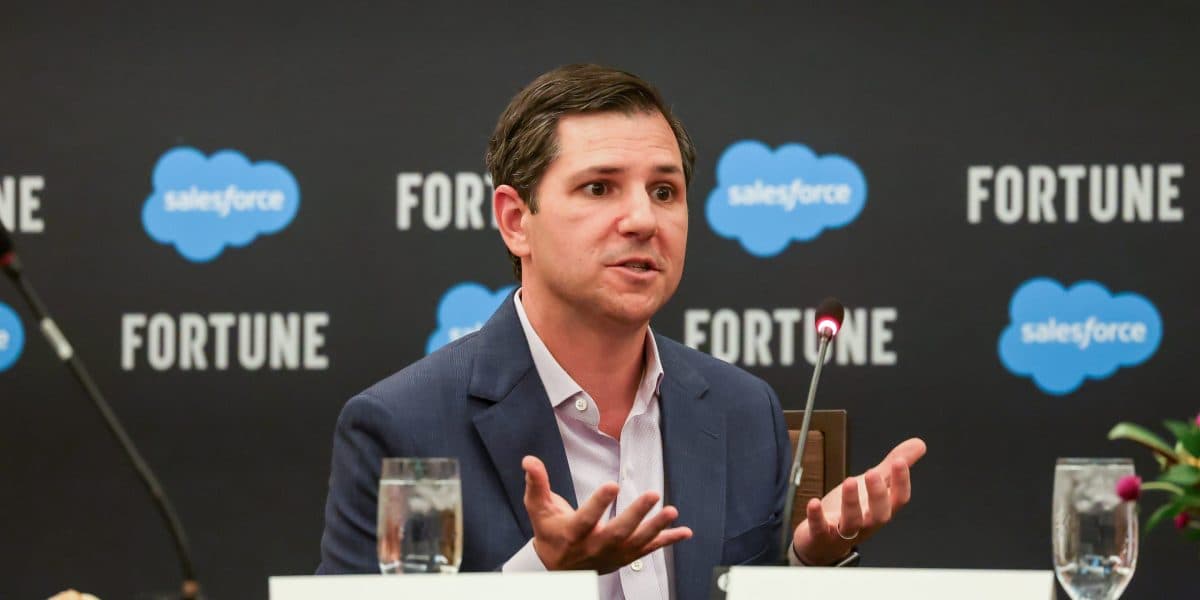
Photo via Fortune
Zillow, one of the nation's largest real estate platforms, is doubling down on its remote-work strategy as a competitive advantage in an increasingly tight labor market. According to Fortune, the company has experienced a notable uptick in recruitment success since embracing flexible work arrangements, suggesting that geographic boundaries are no longer the primary constraint for finding skilled workers.
The strategy reflects a broader shift in how technology companies approach talent acquisition. By removing the requirement for employees to relocate to major tech hubs, companies like Zillow can cast a wider net across the country—a development that has implications for Dallas's own tech sector. Local employers competing for engineering, product, and data science talent now face both opportunities and challenges as remote-first competitors can recruit from their own backyard.
Zillow CEO's assertion that "there is talent everywhere in this country" underscores a fundamental change in workplace culture. This approach prioritizes skills and performance over physical presence, potentially leveling the playing field between coastal tech centers and emerging markets like Dallas-Fort Worth. For Dallas companies, the message is clear: geographic proximity to headquarters is increasingly negotiable.
As remote work becomes normalized across the technology sector, Dallas-area businesses may need to adapt their recruitment and retention strategies accordingly. Companies that embrace flexible arrangements could attract top talent previously considered out of reach, while those clinging to traditional office-centric models may find themselves at a disadvantage in competing for the next generation of skilled workers.