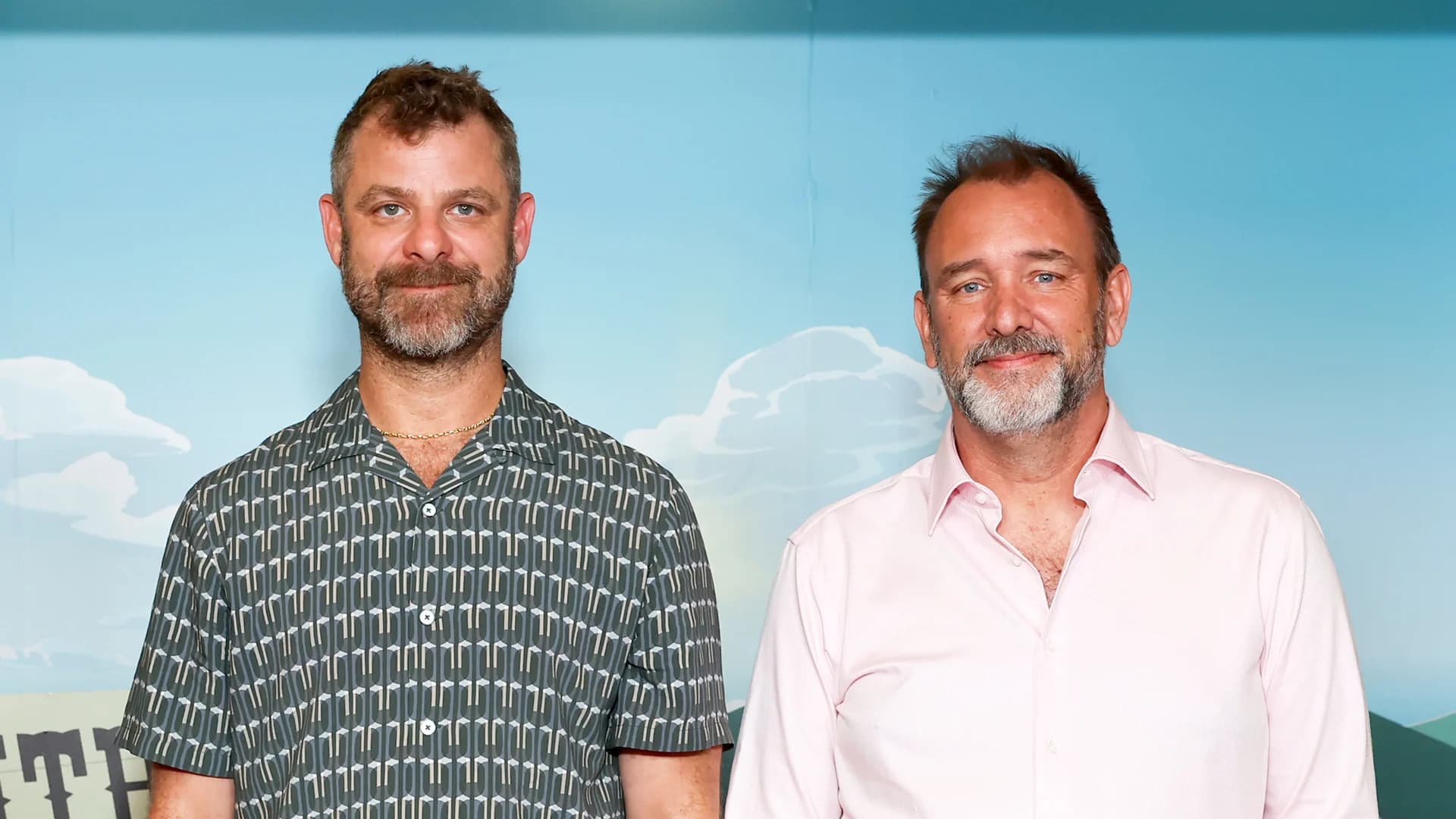
Photo via Inc.
When established entertainment figures decide to invest substantially in brick-and-mortar businesses, it signals confidence in sectors many consider outdated. According to Inc., South Park creators Matt Stone and Trey Parker deployed $50 million in 2021 to prevent a beloved restaurant concept from disappearing entirely. Their intervention underscores a broader trend: successful entrepreneurs and entertainers seeing opportunity where traditional investors see risk.
The restaurant industry has faced persistent headwinds, particularly following pandemic-related closures and operational challenges that tested even established brands. Dallas-area business operators have witnessed firsthand how quickly consumer preferences shift and how important strategic capital infusion becomes for legacy businesses struggling to modernize. The scale of Stone and Parker's commitment demonstrates the financial firepower sometimes required to revitalize a brand with deep nostalgic value but outdated operations.
Celebrity investment in retail and hospitality ventures carries both benefits and risks. High-profile owners bring media attention, consumer interest, and often deep pockets—resources that struggling establishments desperately need. However, they also bring scrutiny and expectations that may not align with traditional restaurant economics. Dallas entrepreneurs understand that capital alone rarely solves operational inefficiencies or evolving market demands.
The case illustrates an important lesson for regional business leaders: sometimes iconic American brands need champions willing to think long-term rather than demand immediate returns. For Dallas companies facing transition periods, the willingness of well-capitalized investors to support established concepts—even at considerable cost—suggests that heritage, community connection, and brand loyalty remain valuable assets in competitive markets.