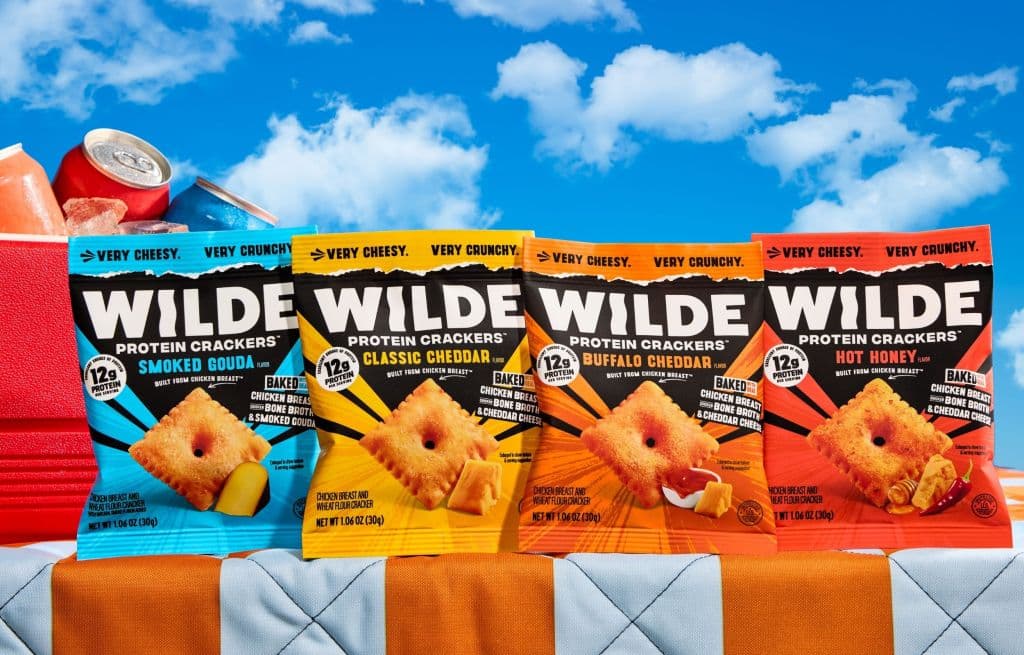
Photo via Entrepreneur
Jason Wright's Wilde Brands has become a significant player in the better-for-you snacking category, growing from a startup concept to a nationally distributed product line carried in 20,000 retail locations. According to Entrepreneur, the company's rapid expansion has been fueled by a clear market positioning around high-protein, chicken-based chip alternatives to conventional snack foods. This focused strategy resonated with health-conscious consumers and retailers seeking products aligned with protein-trend demand.
The brand's latest move—deliberately broadening its messaging beyond protein—signals a strategic maturation in how the company views its market opportunity. Rather than continuing to lean solely on nutritional attributes, Wright is positioning Wilde as a premium snacking experience that competes on taste, indulgence, and overall brand appeal. This pivot reflects broader consumer behavior shifts where shoppers increasingly expect functional foods to deliver on flavor and enjoyment, not just macronutrient profiles.
The company's substantial investment in manufacturing capacity—including a new 130,000-square-foot facility—indicates confidence in scaling production to meet expanded distribution and product innovation goals. For Dallas-area food and beverage entrepreneurs and investors, Wilde's trajectory offers a case study in how specialized positioning can drive growth, and how successful brands eventually diversify their messaging to capture broader market segments.
Wright's strategic repositioning also suggests the competitive landscape in better-for-you snacking has matured beyond protein-centric differentiation. As more competitors enter the category, brands that successfully communicate holistic brand value—combining nutrition, taste, and lifestyle alignment—are better positioned for sustained growth and retail shelf space expansion in an increasingly crowded marketplace.