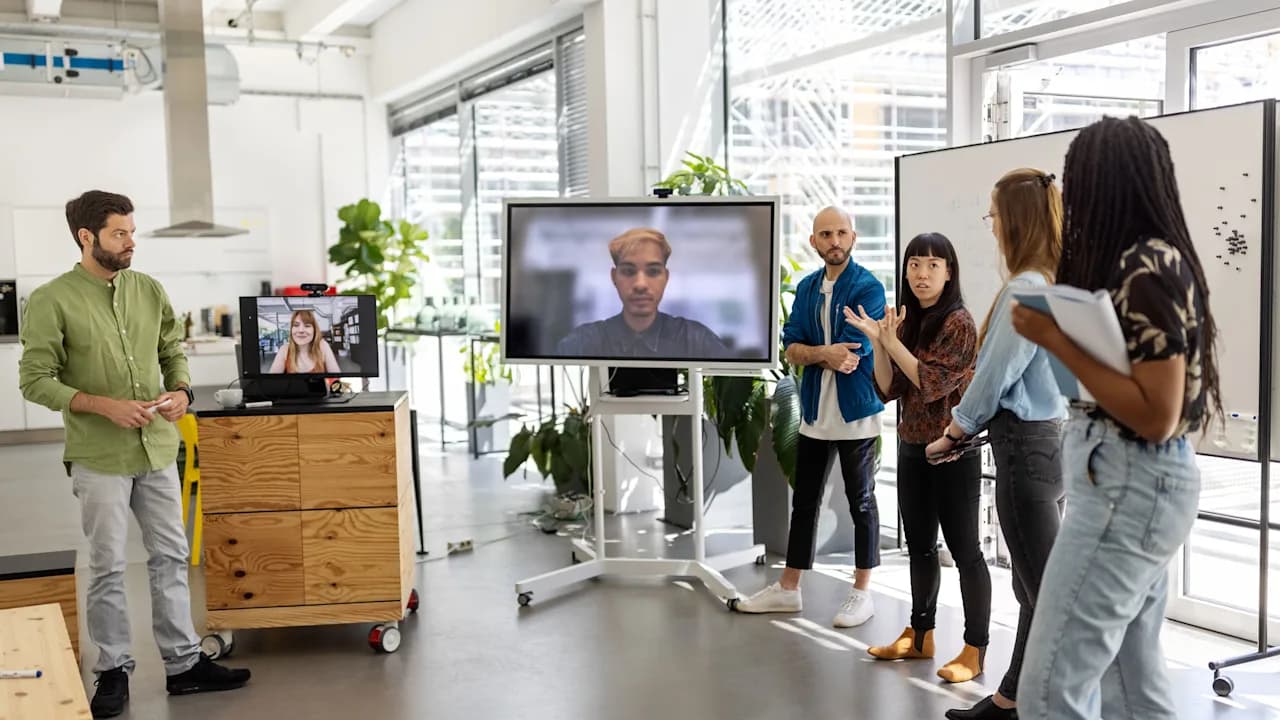
Photo via Fast Company
While many corporations nationwide—including some Dallas-area tech firms—continue mandating office returns or hybrid arrangements, cloud storage giant Dropbox has doubled down on a fully remote workforce. The San Francisco-based company's 2,100 employees work from anywhere globally, a deliberate choice that stands apart from industry peers who reversed pandemic-era remote policies. According to Dropbox's chief people officer Melanie Rosenwasser, the pandemic fundamentally challenged assumptions about in-person productivity requirements, prompting the company to commit permanently to what it calls a "virtual-first" operating model.
The company's leadership argues that hybrid arrangements create what Rosenwasser describes as "the worst of all worlds"—employees enduring commutes only to join video calls with distributed colleagues anyway. To function effectively as a fully remote organization, Dropbox has restructured decision-making processes around asynchronous communication and writing, with "core collaboration hours" limited to four-hour windows that accommodate multiple time zones. This disciplined approach means meetings only occur when teams need to discuss, debate, or decide on substantive matters, reducing meeting fatigue that plagues many hybrid workplaces.
From a talent acquisition standpoint, Dropbox's model offers competitive advantage. According to Gallup data, 52% of U.S. companies operate hybrid arrangements while only 26% are fully remote. Yet employee preferences tell a different story: approximately one-third of remote-capable workers prefer entirely remote arrangements, while 76% value the work-life balance benefits remote work provides. For Dallas-area companies competing for top technical talent, Dropbox's approach demonstrates how explicit work model clarity—rather than compromise positions—can strengthen recruitment and retention efforts.
Maintaining company culture and employee wellness in a remote-first environment requires intentional programs. Dropbox addresses isolation through onboarding buddy systems and monthly team events, while combating sedentary work patterns through its "Meet & Move" initiative, which encourages walking meetings. The company also recognizes boundary-blurring challenges inherent to home-based work by implementing flexible "nonlinear workdays" that honor individual preferences. With 69% of Dropbox employees recommending the company to others, the model appears to deliver measurable employee satisfaction despite operating counter to industry trends.