Photo via Analytics And Insight
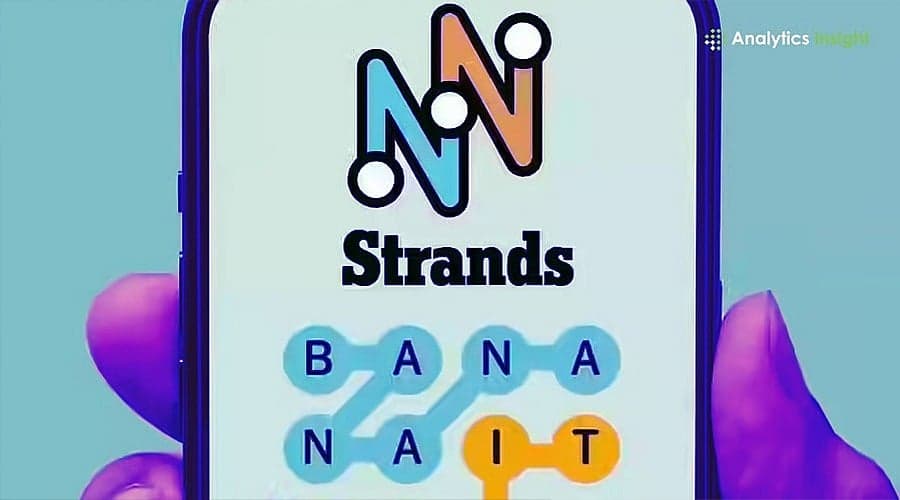
In an era when Dallas-area professionals face relentless pressure to optimize productivity, the simple act of solving a word puzzle may seem like a luxury. Yet cognitive science suggests otherwise. According to research in behavioral psychology, brief mental diversions that engage pattern recognition—like the NYT Strands puzzle—activate different neural pathways than task-focused work, allowing the brain to reset and return to primary responsibilities with renewed focus.
The wellness trend extends beyond individual benefit. Forward-thinking Dallas companies are beginning to recognize that brief, structured mental breaks during the workday can reduce burnout and improve employee retention. When professionals engage in low-stakes cognitive challenges, they experience a measurable decrease in stress hormones while simultaneously strengthening executive function skills that directly transfer to problem-solving in business contexts.
For remote workers and hybrid teams prevalent across Dallas's tech and professional services sectors, accessible brain-break tools level the playing field. Employees working from home or distributed across multiple locations can participate in the same puzzles, creating shared moments of cognitive recovery that foster informal connection without requiring synchronous meetings or corporate-mandated activities.
As Dallas businesses continue competing for top talent in a challenging labor market, small investments in workplace wellness—including normalized puzzle breaks and mental health resources—signal organizational values that resonate with Gen Z and millennial professionals. The message is clear: companies that acknowledge cognitive fatigue as a legitimate workplace concern gain competitive advantage in recruitment and retention.