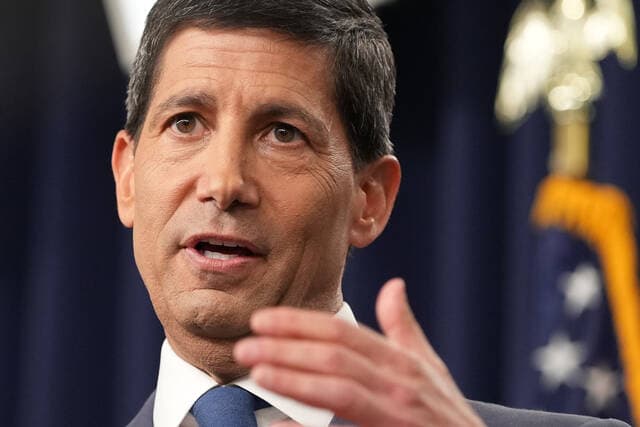
Photo via Home | Triblive.com
Federal Reserve Chair Kevin Warsh's restructuring initiative aims to incorporate what he describes as elite economic expertise through newly formed task forces. However, according to recent analysis, these advisory groups notably lack representation from labor organizations and workers themselves—a gap that could significantly impact how policy decisions affect Main Street businesses and employment across the Dallas region.
The absence of worker and labor voices in high-level Fed deliberations raises questions about whose interests are centered in monetary policy decisions. For Dallas business leaders managing payroll, hiring, and workforce retention, this oversight could mean policies are formulated without adequate input on how rate changes, inflation targets, and employment goals actually ripple through local markets and affect hiring decisions.
As the Fed navigates economic headwinds, regional business communities—particularly in sectors like technology, logistics, and manufacturing that drive Dallas employment—would benefit from Federal Reserve deliberations that include broader stakeholder perspectives. Integrating worker and labor input into policy discussions could produce more balanced decisions that account for real-world impacts on businesses trying to navigate inflation, recruitment challenges, and growth strategies.