Photo via Fortune
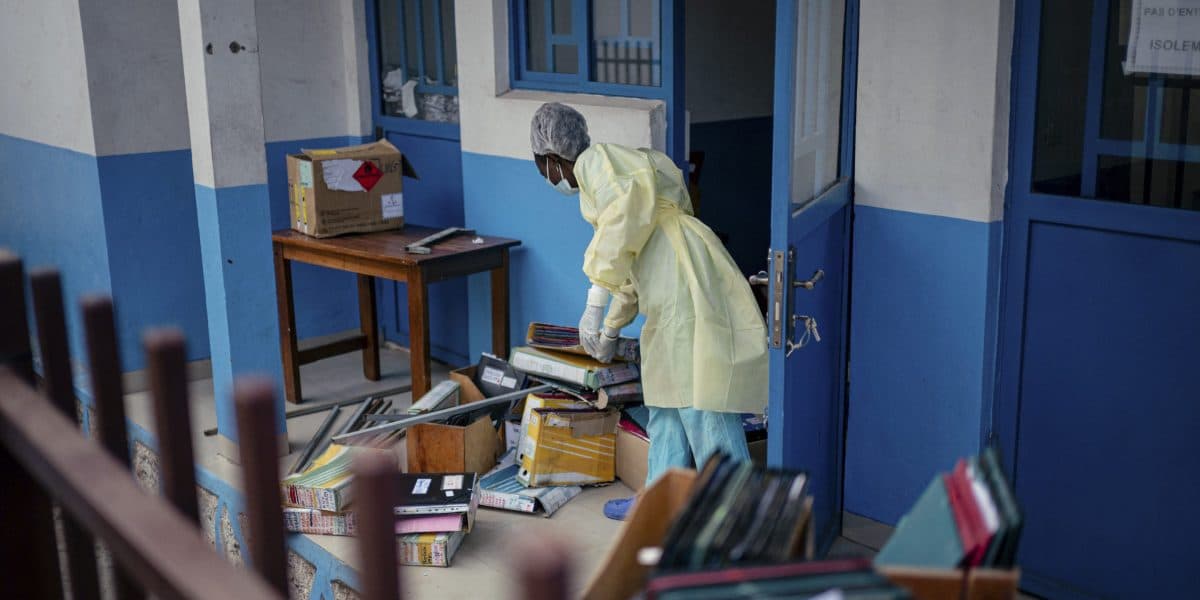
The World Health Organization has officially declared a global health emergency in response to an ongoing Ebola outbreak, according to Fortune. The outbreak is caused by the Bundibugyo virus, a rare variant of Ebola that presents particular challenges for healthcare response efforts worldwide.
What makes this outbreak notably concerning is the lack of approved treatments specifically targeting the Bundibugyo strain. Health authorities worldwide are grappling with limited options for combating this particular variant, which distinguishes it from previous Ebola emergencies where some therapeutic interventions existed. This treatment gap underscores vulnerabilities in global pandemic preparedness.
For healthcare providers and institutions across the Dallas-Fort Worth region, this declaration serves as a reminder of the importance of robust infectious disease protocols and preparedness planning. Texas medical centers, including major health systems in Dallas, have strengthened their capabilities in recent years to respond to emerging infectious diseases, though a global emergency declaration can test those systems.
The WHO's emergency declaration typically triggers increased international coordination, funding, and research acceleration toward treatments and vaccines. Healthcare industry observers note that biotech companies and pharmaceutical firms—sectors with growing presence in the Dallas region—may focus increased attention on rapid development of countermeasures for this emerging threat.