Photo via Fast Company
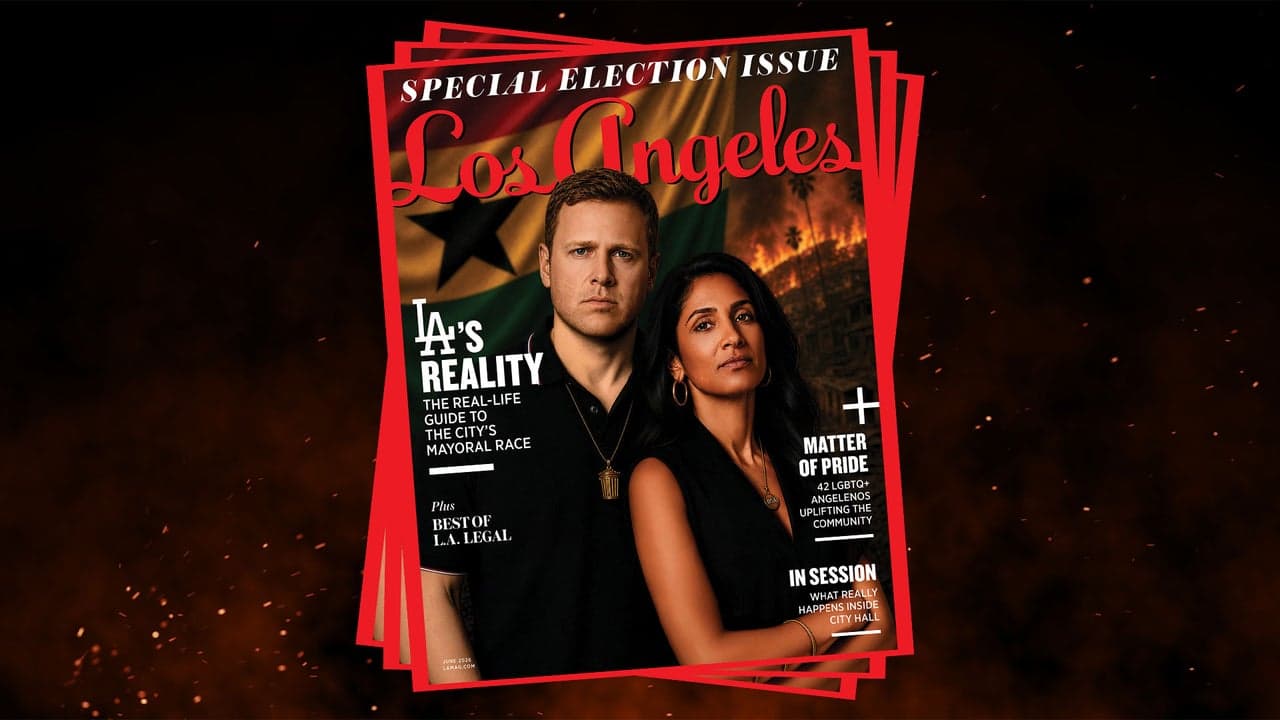
Los Angeles magazine recently ignited a firestorm by using artificial intelligence to generate its election issue cover, featuring AI renderings of mayoral candidates rather than actual photography or artwork. The publication defended the choice as deliberately subversive commentary, framing it as a statement about the role AI plays in modern politics. However, the backlash was swift and unforgiving, with critics and industry observers questioning whether the stunt ultimately undermined the magazine's credibility rather than enhanced it.
The pushback centered on a simple premise: hire real talent. According to Fast Company's reporting, editorial staff at the Los Angeles publication reportedly opposed the AI approach, yet leadership—including co-owner Mark Geragos, who acquired the outlet in 2022—green-lit the concept anyway. Design professionals and content creators alike argued that a skilled graphic designer could have produced a compelling cover in comparable time, raising uncomfortable questions about why a established media brand would choose automation over human artistry.
For Dallas-area creative professionals and publishing executives, the incident serves as a cautionary case study. As AI tools proliferate, media companies and agencies face mounting pressure to adopt these technologies. Yet this episode demonstrates that audiences—particularly those who value editorial integrity—may view AI shortcuts as a loss of authenticity rather than innovation. The reputational risk of perceived laziness or cost-cutting can outweigh efficiency gains.
The controversy also highlights generational disconnect within creative industries. Classic Los Angeles magazine covers from the 1960s were celebrated for striking original artwork painted by commissioned artists. The contrast between that heritage and today's algorithm-generated imagery underscores a broader question facing Dallas media leaders: Does adopting AI demonstrate forward thinking, or does it signal that quality and human expertise have become expendable?