Photo via Columbian
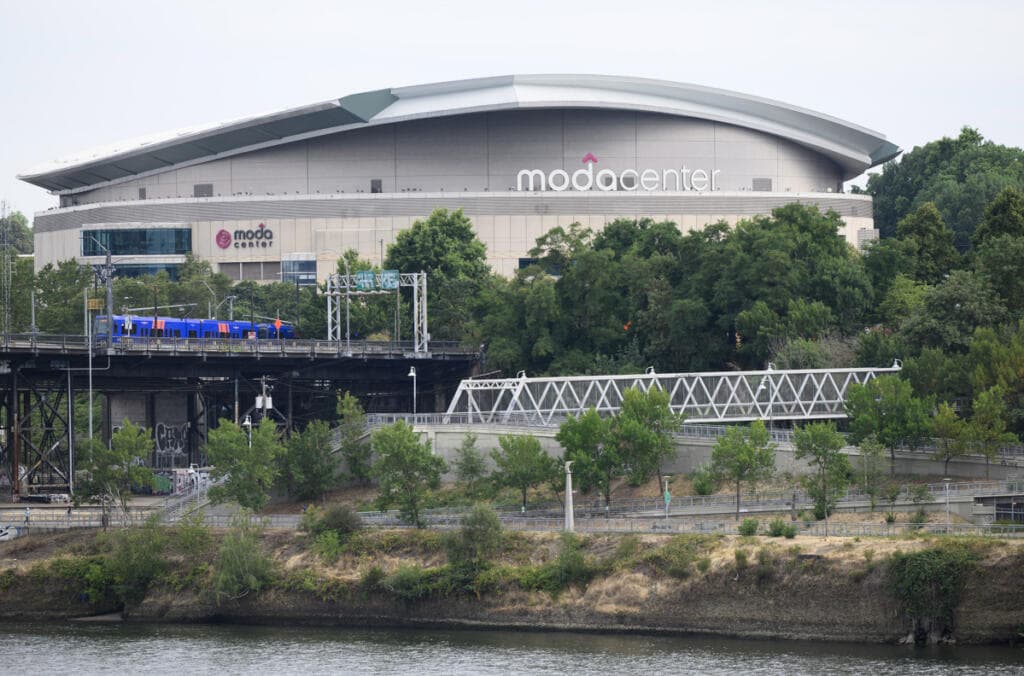
The question facing Portland—and increasingly, cities across America—cuts to the heart of municipal economic strategy: How much should a city invest to keep a major sports franchise? According to the Columbian, Portland officials are grappling with whether to offer significant financial incentives to ensure the Trail Blazers remain in the region. This debate mirrors similar conversations happening in markets nationwide, including debates around sports infrastructure investments in the Dallas-Fort Worth area, where teams like the Cowboys, Mavericks, and Rangers drive substantial regional economic activity.
The real challenge lies in quantifying intangible benefits. While professional sports teams generate direct revenue through ticket sales, concessions, and merchandise, the broader economic impact—including tourism, business relocation decisions, and community branding—is harder to measure. Cities must weigh the costs of stadium improvements, tax incentives, and operational support against uncertain returns on investment. For Dallas-area business leaders, understanding these dynamics is essential, particularly as regional teams negotiate lease agreements and expansion opportunities.
The Portland case suggests that sports franchises have grown savvy about leveraging their value, essentially asking cities to bid against each other for their presence. Rather than blank-check approaches, successful markets may need more strategic frameworks that tie team investments to measurable community benefits, job creation targets, and long-term economic development goals—ensuring that professional sports remain a complement to, rather than a drain on, broader economic priorities.