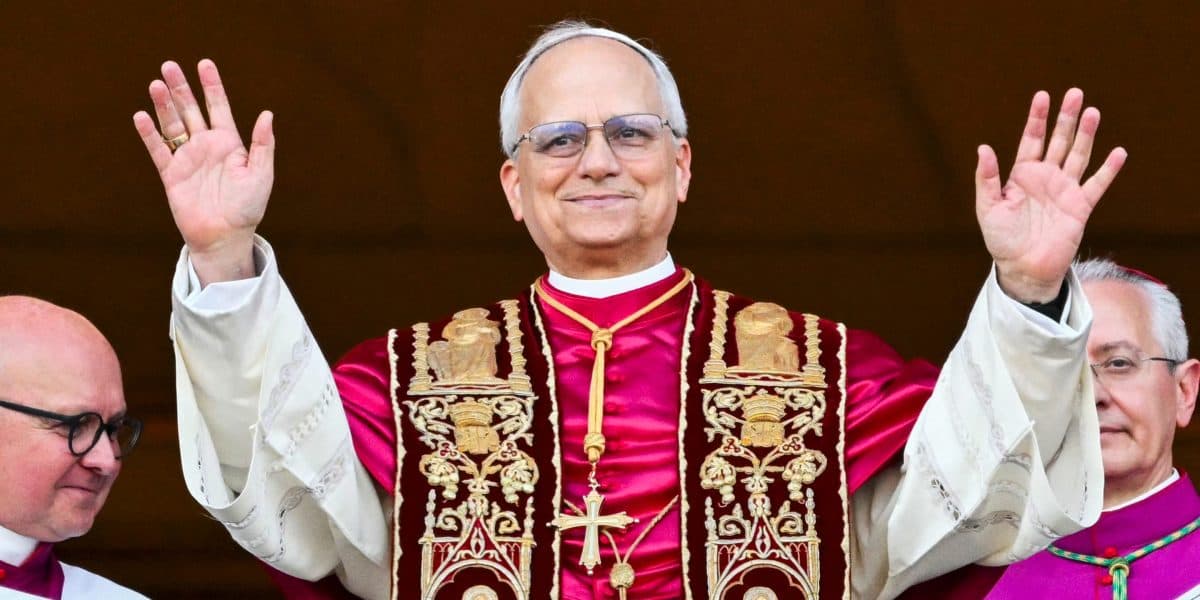
Photo via Fortune
The Vatican's evolving stance on artificial intelligence and worker protections presents a thought-provoking counterpoint to Silicon Valley's move-fast-and-break-things mentality. According to Fortune, papal encyclicals dating back to Leo XIII's Rerum Novarum and extending to modern teachings establish a consistent theme: technological advancement must be tempered by ethical guardrails that protect workers and distribute benefits broadly rather than concentrate wealth among tech owners.
For Dallas business leaders navigating AI adoption in finance, energy, healthcare, and logistics sectors, these principles raise practical questions. How should companies deploying automation ensure displaced workers have pathways to new roles? Should AI development be limited to entities with transparent governance structures? Dallas-based enterprises in these industries face increasing pressure from stakeholders—employees, customers, and regulators—to demonstrate responsible AI implementation.
The Vatican's framework emphasizes shared ownership models and worker empowerment as counterweights to unchecked corporate control of transformative technologies. This perspective aligns with growing conversations among Dallas executives about workforce stability, community investment, and long-term business sustainability. Companies that proactively address these concerns may find themselves better positioned to attract talent and maintain social license to operate.
As artificial intelligence continues reshaping Dallas's competitive landscape, business leaders might consider whether purely profit-driven approaches adequately address the human dimensions of technological change. The Church's historical warnings about industrial disruption—issued during previous economic transformations—deserve consideration alongside quarterly earnings reports and market valuations.