Photo via Yahoo! News
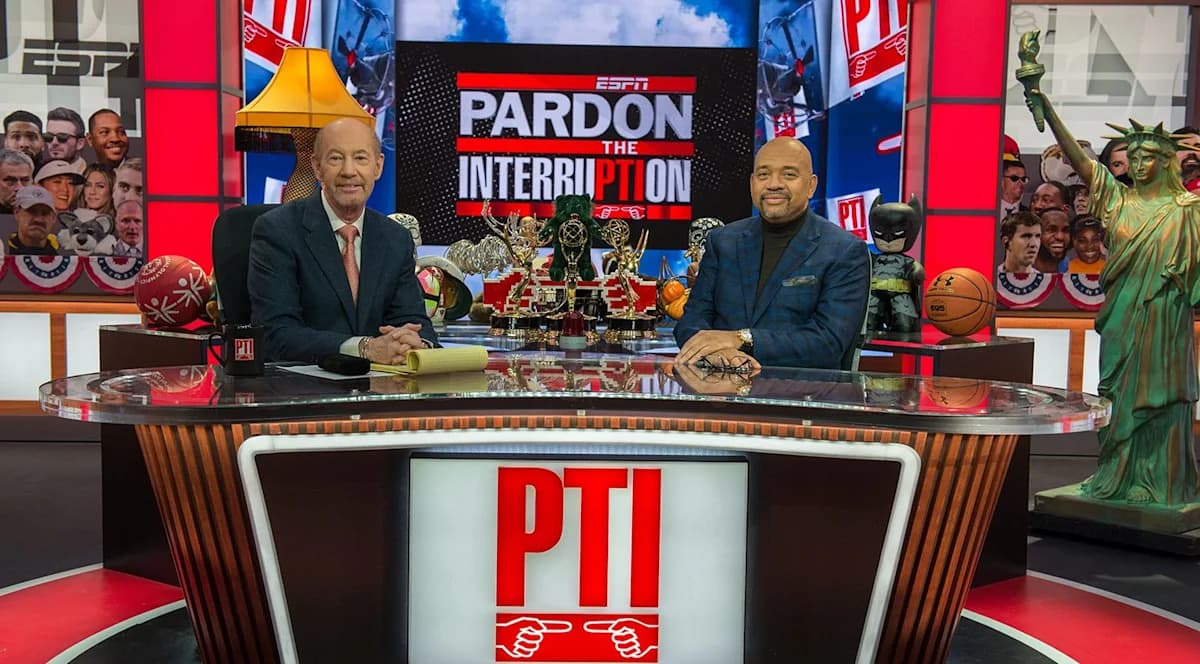
Michael Wilbon, host of the long-running sports debate show Pardon the Interruption, recently shared insights on what he believes has kept the program thriving for 25 years. According to an appearance on the Awful Announcing Podcast, Wilbon credits the show's Washington, D.C. base as a critical factor in its longevity. By maintaining operations outside ESPN's Connecticut headquarters, the program avoided the kind of corporate micromanagement that might have derailed creative momentum early on.
For Dallas-area business leaders, Wilbon's observation carries relevance beyond sports media. The theory suggests that geographic separation from corporate headquarters—whether through remote teams, satellite offices, or regional autonomy—can foster the creative independence needed for sustained success. This principle has become increasingly relevant as companies navigate hybrid and distributed work models.
The lesson extends beyond media companies. Dallas entrepreneurs and established firms looking to maintain competitive edge and employee morale might consider how distance and autonomy shape organizational culture. Rather than viewing headquarters relocation or decentralized operations as purely logistical decisions, they may represent strategic choices that protect innovation and long-term viability.