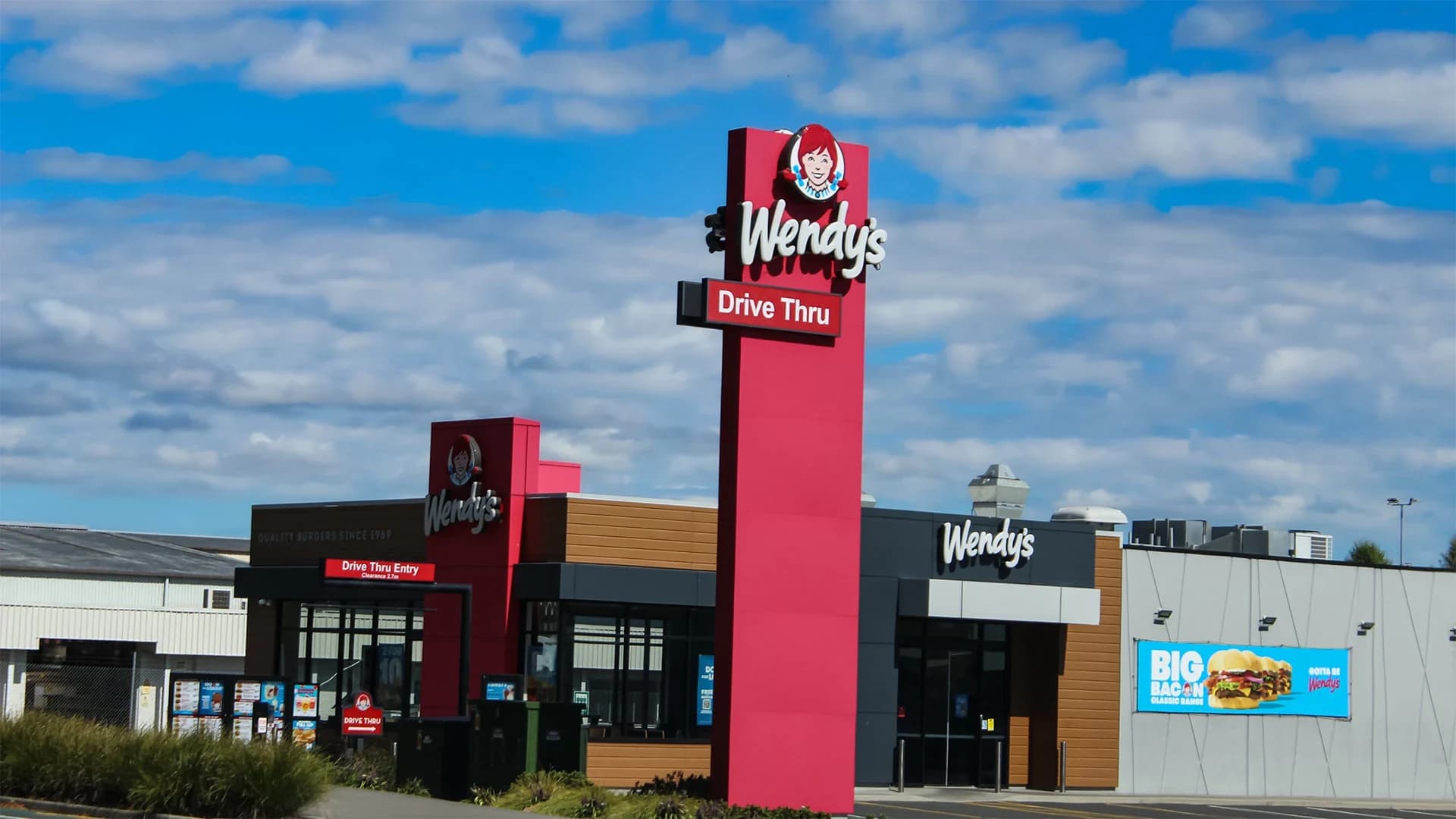
Photo via Inc.
Wendy's first-quarter earnings results paint a picture of strategic recalibration in the competitive quick-service restaurant sector. According to the company's latest filing, the chain experienced a net loss of 174 U.S. restaurants since the close of last year—a significant pullback that underscores ongoing challenges in the domestic market.
The closure of locations represents part of a deliberate turnaround plan aimed at improving operational efficiency and profitability. Rather than pursuing growth across all markets uniformly, Wendy's appears to be consolidating its American footprint while carefully evaluating which store formats and locations align with long-term profitability goals.
Meanwhile, the chain is doubling down on international expansion, particularly in Asia. Wendy's has announced plans to build 1,000 new restaurants in China over the next decade—a strategic bet that reflects confidence in emerging market growth and a shift in where the company sees its highest-return opportunities.
For Dallas-area franchisees and investors, these trends underscore the importance of understanding the franchisor's long-term vision. As major QSR chains restructure domestic operations, local franchise operators should monitor how parent company strategies affect their own market positioning and growth prospects in North Texas.