Photo via Fast Company
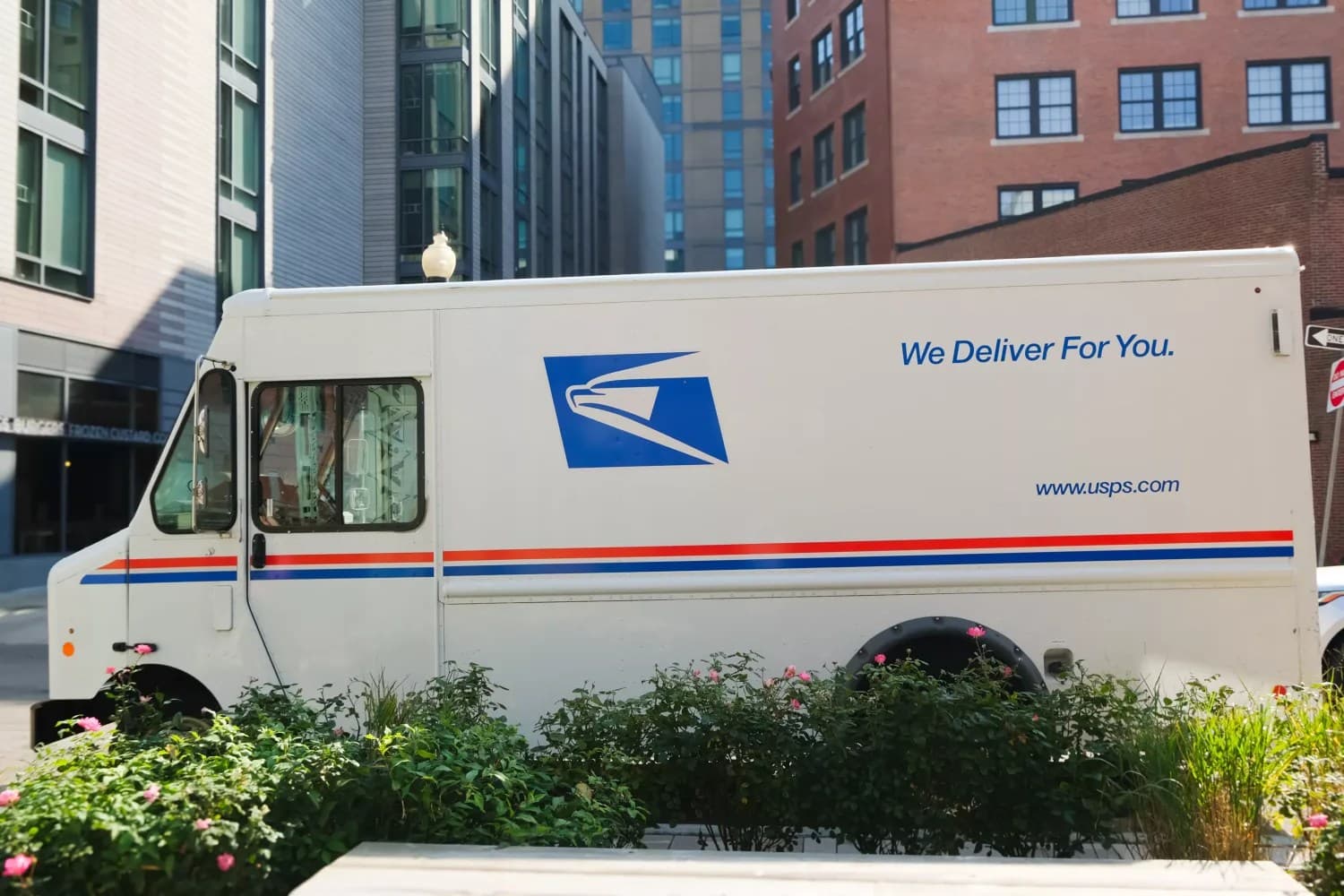
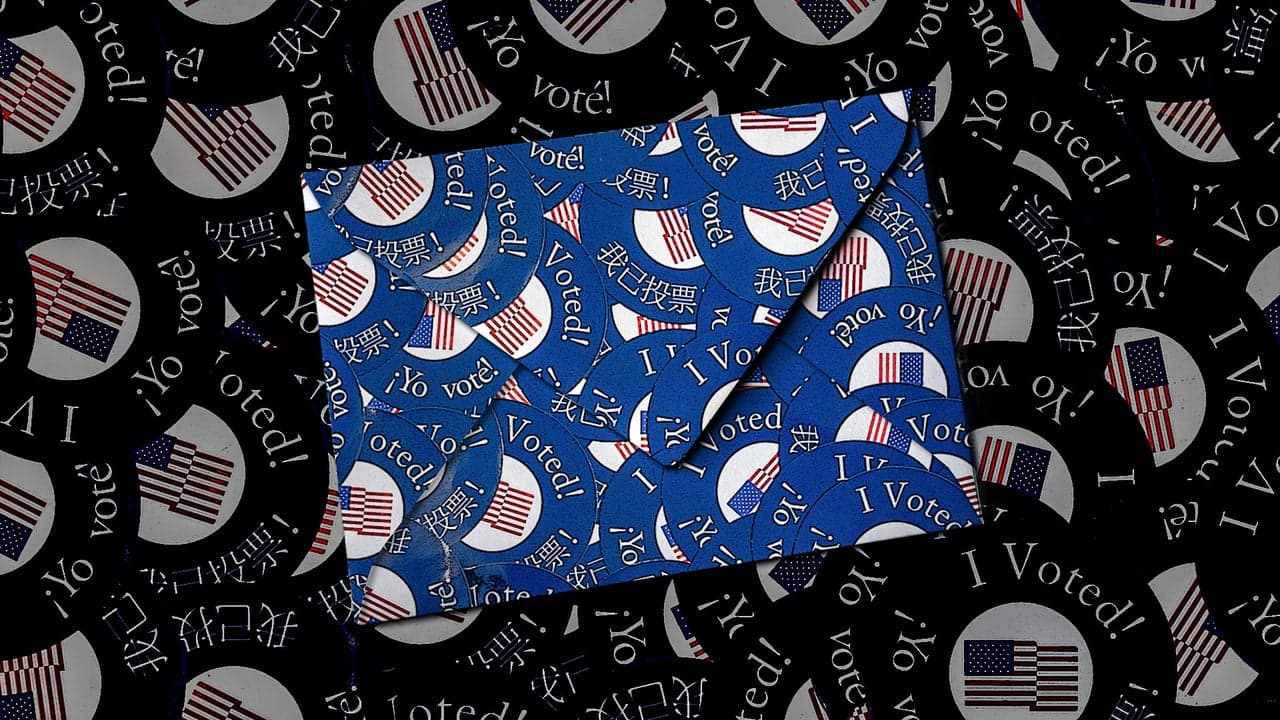
The U.S. Postal Service has introduced a proposal that would require states to share voter registration data and ballot tracking information with federal authorities. According to Fast Company, the framework would compel states to provide names and addresses of mail-in voters, along with ballot barcodes for federal elections. Texas election officials and business leaders in the logistics sector may face operational adjustments if the proposal takes effect.
The initiative represents an expansion of federal control over election administration, a constitutional area traditionally managed by individual states. The executive order framework seeks to establish a federalized ballot envelope and barcode tracking system through the USPS. For Dallas-area logistics and supply chain professionals, this could introduce new compliance requirements and operational protocols for handling election materials.
Despite claims of widespread fraud in mail-in voting, evidence suggests the actual incidence is minimal. According to research from the Brookings Institution, confirmed mail-in voting fraud occurs at a rate of only four cases per 10 million votes cast. Oregon's two-decade experience with universal vote-by-mail documented just a dozen confirmed fraud cases between 2000 and 2020, indicating that security concerns may not align with measurable data.
Texas businesses and governmental bodies should monitor the regulatory developments as the proposal moves through implementation phases. The changes could affect how election materials are processed, stored, and distributed—matters of particular interest to Texas supply chain and logistics operators. Legal challenges around state versus federal election authority may also shape how these rules ultimately apply across the country.