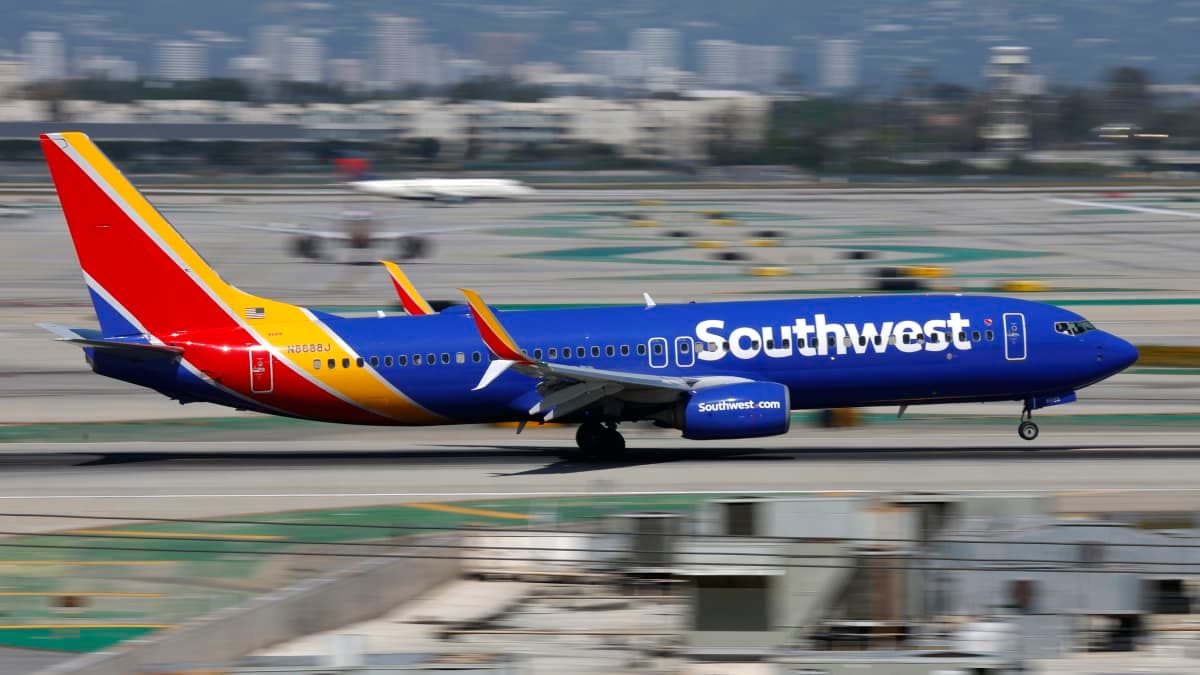
Photo via Cnbc
Southwest Airlines took an unusual step this spring by chartering a maritime vessel to transport jet fuel from the Houston area to Los Angeles, according to CNBC. The move underscores mounting concerns about fuel availability and supply chain reliability for one of the nation's largest carriers. For Dallas-based businesses and aviation stakeholders, the decision highlights how even well-established logistics networks face pressure from broader economic uncertainties.
Houston remains a critical hub for U.S. jet fuel production, making it a natural source for Southwest's fuel procurement. By shifting to maritime transport for this shipment, the airline opted for an alternative to traditional pipeline and ground logistics routes—a strategy typically reserved for emergency situations or significant supply gaps. The decision reflects the broader challenges facing energy-dependent industries across Texas, where fuel availability and transportation costs directly impact operational efficiency.
The fuel-shipping initiative demonstrates how major corporations are adapting their supply chain strategies to mitigate risk. For Dallas business leaders in aviation, logistics, and energy sectors, Southwest's proactive approach signals the importance of diversifying distribution channels and maintaining contingency plans. As supply chain vulnerabilities continue to reshape corporate strategy, companies across North Texas are reassessing their own resilience measures.