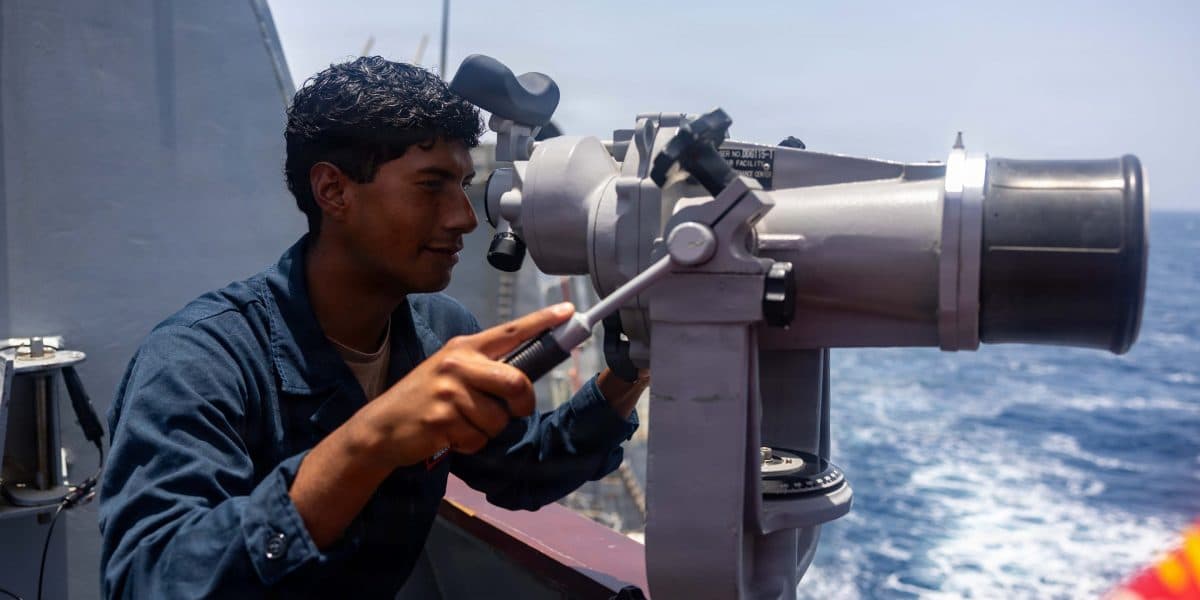
Photo via Fortune
The U.S. military took decisive action in the Gulf of Oman when a merchant vessel repeatedly ignored warnings while attempting to reach an Iranian port, ultimately firing a missile into the ship's engine room to disable it. According to Fortune, the vessel had disregarded more than 20 separate warnings from military personnel before the strike occurred. The incident underscores escalating tensions in one of the world's most critical shipping corridors and raises concerns about how trade disruptions could affect North American commerce.
For Dallas-area logistics and shipping companies with Middle Eastern exposure, the blockade enforcement signals increased operational complexity in that region. Supply chain professionals managing international routes must now factor in heightened military oversight and potential delays when charting courses through the Persian Gulf and surrounding waters. Companies relying on just-in-time inventory systems may face additional planning challenges and cost pressures.
The disabled vessel remained adrift following the strike, with U.S. forces maintaining a perimeter but not immediately boarding the ship. This measured response reflects ongoing efforts to enforce sanctions while avoiding broader escalation. However, the incident demonstrates how quickly maritime situations can turn volatile, prompting shipping insurers and logistics operators to reassess risk profiles for the region.
The blockade action serves as a reminder that Dallas-based companies with global supply chains—particularly in energy, manufacturing, and retail—should review their exposure to Iranian trade restrictions and geopolitical risk. Consulting with maritime attorneys and insurance specialists about contingency planning has become increasingly prudent as Middle Eastern tensions persist.