Photo via NYT Business
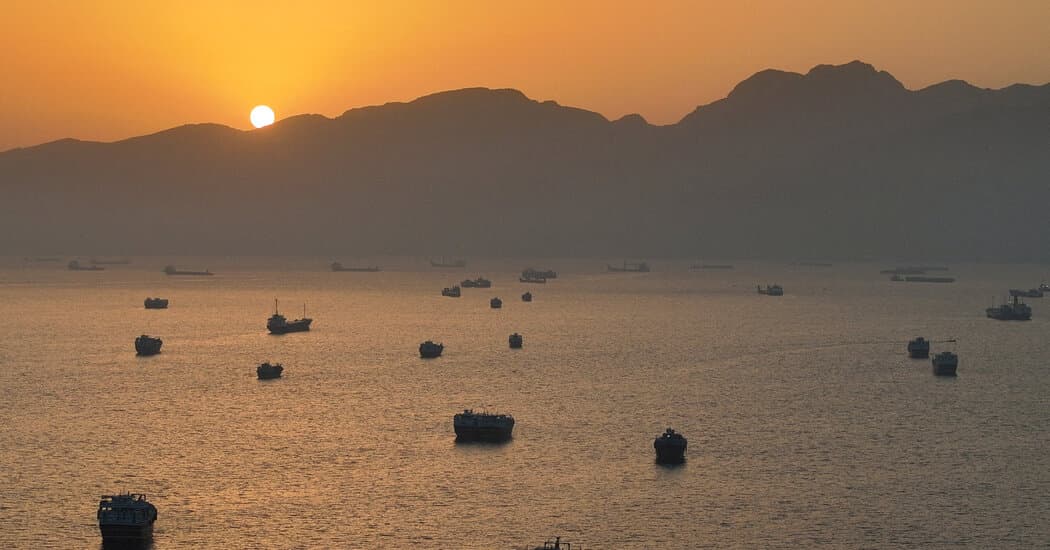
The U.S. military has significantly expanded its role in protecting commercial shipping through one of the world's most critical maritime passages. According to the New York Times, U.S. Central Command has facilitated safe passage for approximately 70 commercial vessels through the Strait of Hormuz over a three-week period, underscoring growing concerns about regional security threats to international trade.
For Dallas-area businesses dependent on global supply chains—particularly energy firms and import-reliant manufacturers—these developments carry tangible implications. The Strait of Hormuz remains one of the world's most vital shipping chokepoints, with roughly one-third of all seaborne traded oil passing through its narrow waterway. Any disruption in this corridor directly impacts fuel prices, shipping costs, and inventory timelines for Texas-based companies.
The military's expanded presence reflects escalating tensions in the Middle East and recent incidents targeting commercial vessels. While the U.S. escort operations aim to maintain stability, they also highlight the vulnerability of global logistics networks that many Dallas enterprises depend on for just-in-time delivery and cost-effective sourcing.
Local business leaders and supply chain managers should monitor this situation closely, as prolonged military involvement could eventually lead to higher insurance premiums, longer transit times, and increased operational costs. Companies heavily invested in Middle Eastern trade or oil imports should consider diversifying routes or suppliers to mitigate geopolitical risks to their bottom line.