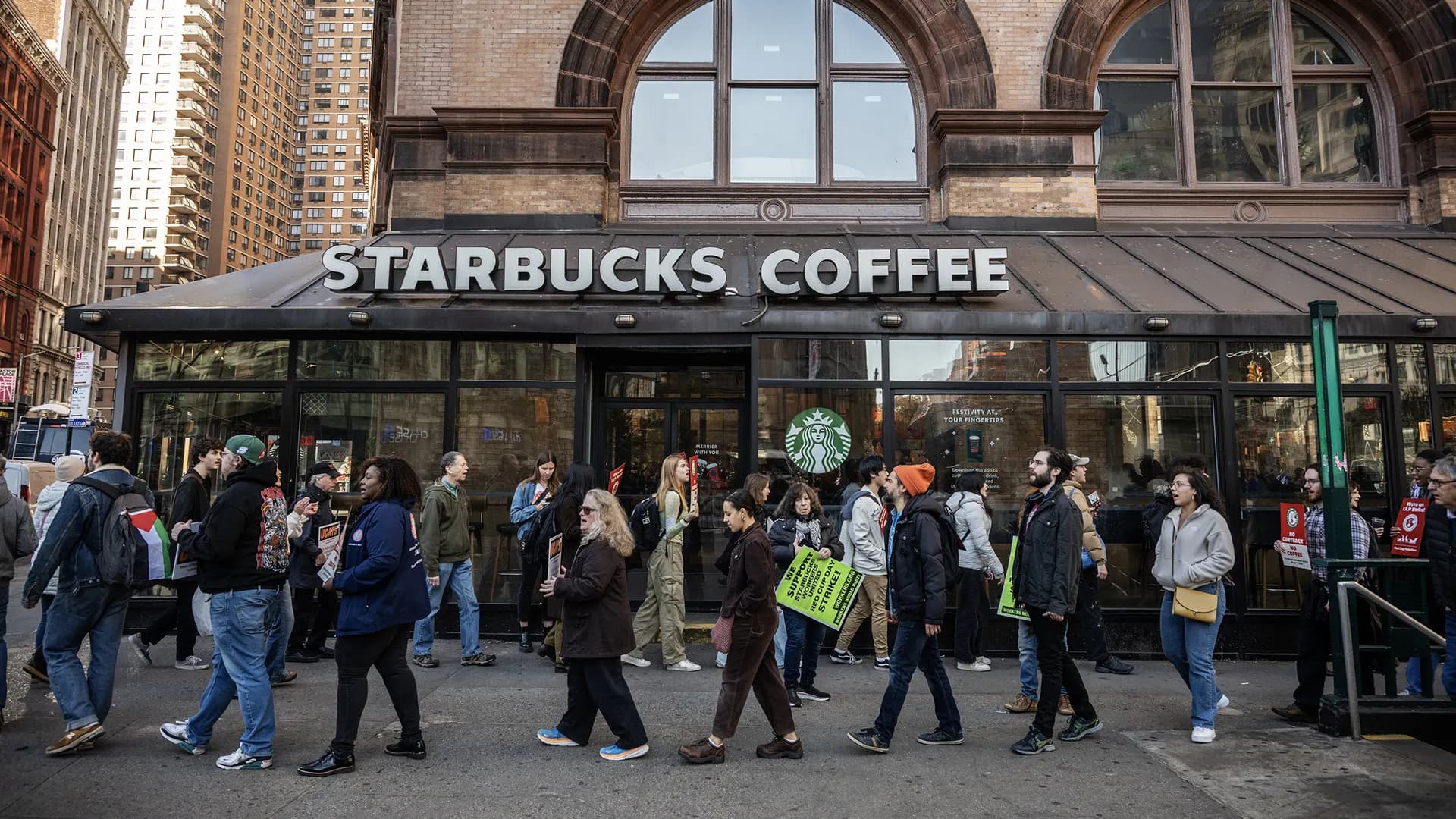
Photo via Inc.
Human rights organizations have formally called out Starbucks for what they describe as systematic intimidation tactics used against baristas seeking union representation, according to reporting from Inc. The intervention marks a notable moment when international bodies are weighing in on domestic labor disputes at major corporations, signaling growing scrutiny of how large retail employers manage workforce organizing efforts.
For Dallas-area business leaders, the Starbucks situation underscores evolving expectations around labor relations and workplace conduct. As unionization efforts continue at major retailers across the country—from coffee chains to quick-service restaurants—North Texas companies should anticipate similar scrutiny of their own employee relations practices and ensure compliance with labor standards.
The United Nations involvement reflects broader momentum behind worker advocacy movements. Rather than viewing this as merely a Starbucks issue, business executives should recognize this as an indicator of how institutional pressure is reshaping the labor landscape. What happens at national chains often creates precedent and expectations that trickle down to regional and local employers.
For retailers and hospitality operators in the Dallas metroplex, the takeaway is clear: transparent, lawful labor practices are increasingly necessary not just for legal compliance, but for corporate reputation. Companies that proactively address employee concerns and maintain open communication channels may find themselves better positioned to navigate future unionization efforts and maintain stakeholder trust.