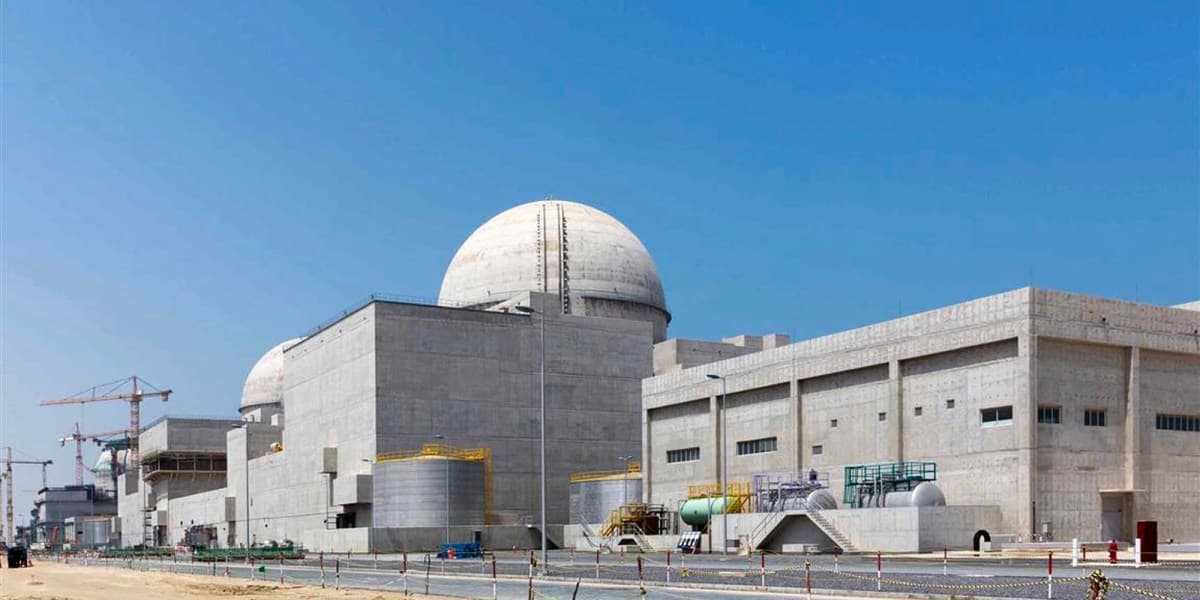
Photo via Fortune
The Barakah nuclear power plant in the United Arab Emirates experienced a drone-related incident that sparked a fire at the facility, according to Fortune. This marks the first attack on the plant since broader regional hostilities began. The incident underscores growing vulnerabilities in critical energy infrastructure in the Middle East, a region that supplies significant portions of global oil and serves as a strategic nexus for international energy markets.
Built at a cost of $20 billion with technical support from South Korea, the Barakah facility became operational in 2020 and represents a major investment in the UAE's energy diversification strategy. The plant's targeting raises questions about the security measures protecting nuclear installations in conflict-adjacent regions and the potential economic consequences of infrastructure disruption in key energy-producing nations.
For Dallas-area energy professionals and investors, this incident carries implications for global energy prices, nuclear power development investments, and geopolitical risk assessments in portfolios. Companies with operations, contracts, or investments tied to Middle Eastern energy infrastructure or nuclear technology should monitor developments closely as insurers and regulators evaluate security protocols.
The attack highlights ongoing tensions that continue to create volatility in energy markets and supply chains. Organizations tracking international energy stability and geopolitical risk should consider how regional conflicts affect long-term planning, procurement strategies, and investment decisions in the energy sector.