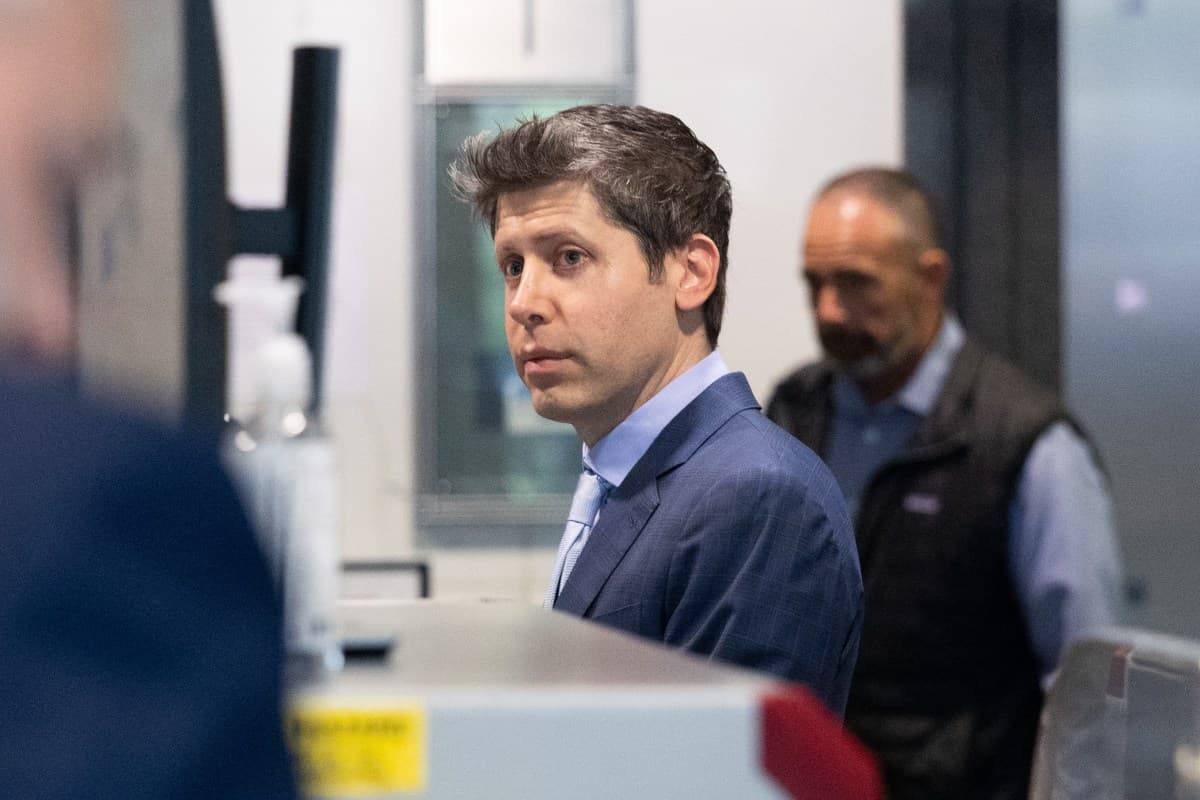
Photo via TechCrunch
The legal battle between Elon Musk and OpenAI has crystallized around a central question: whether OpenAI CEO Sam Altman can be trusted to lead one of the world's most consequential AI companies. According to TechCrunch, trust emerged as a dominant theme during the trial's final arguments, suggesting that leadership credibility—not just technical prowess—will determine the outcome. For Dallas business leaders investing in AI ventures or considering partnerships with major AI players, the case underscores how institutional trust directly impacts corporate viability and stakeholder confidence.
The lawsuit touches on fundamental governance issues that resonate across Texas's growing tech sector. Questions about whether leadership has been truthful with investors, board members, and the public carry weight beyond this single case. Dallas has cultivated emerging AI and software companies, many of which are navigating similar challenges around transparency, investor relations, and strategic pivots. The trial's focus on Altman's credibility offers a cautionary framework for how Dallas-area startups and established tech firms should approach their own leadership accountability.
Leadership trust in high-growth technology companies often determines long-term success more than market positioning alone. The Musk-OpenAI proceedings demonstrate that stakeholders—including investors, employees, and partners—increasingly demand clear communication and consistent follow-through from executives. For Dallas entrepreneurs and corporate leaders, particularly those in the startup ecosystem, the case highlights why building a reputation for reliability early is essential to attracting capital and talent as companies scale.
As artificial intelligence reshapes industries from energy to healthcare to logistics across Texas, the legal and reputational standards set in high-profile cases like this will likely influence how investors evaluate AI company leadership. Dallas business leaders should monitor how courts and public opinion assess executive trustworthiness in the AI space, as these precedents may shape funding decisions, partnership criteria, and governance expectations for years to come.