Photo via Fortune
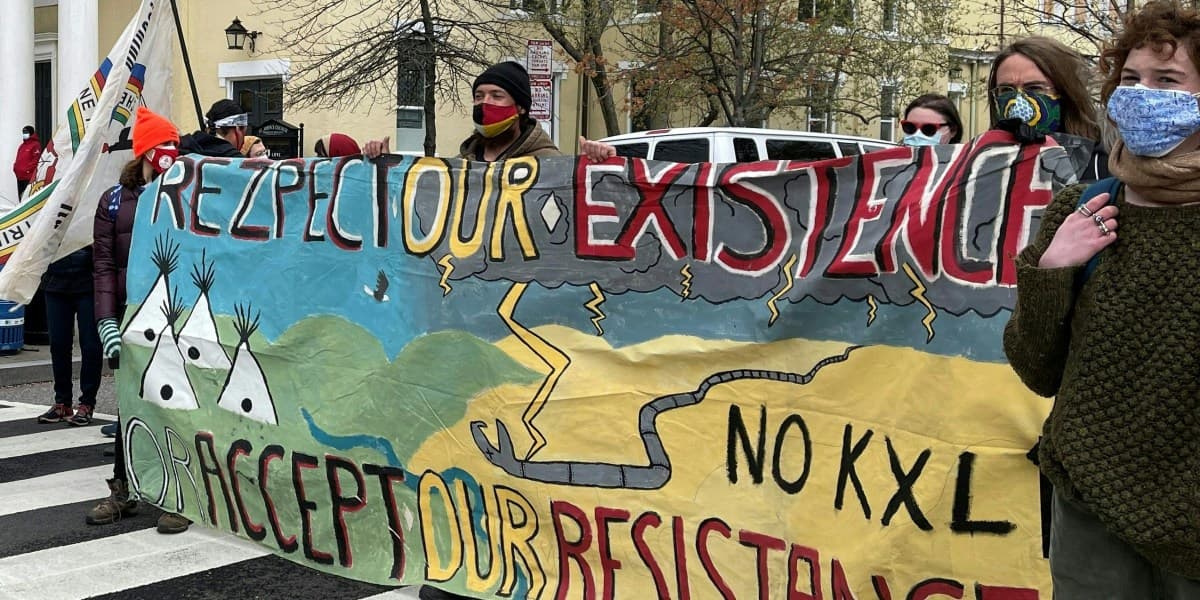
The incoming Trump administration is pursuing an unconventional strategy to advance major pipeline infrastructure by bypassing some regulatory hurdles through a series of smaller, interconnected projects rather than pursuing single large-scale approvals. According to Fortune, the approach would leverage existing pipeline segments and connect them to create pathways similar to the controversial Keystone XL project that was halted in 2021, while also extending the Dakota Access Pipeline further into Canada.
This patchwork strategy reflects a pragmatic shift in how energy infrastructure development may be pursued in the coming years. By structuring multiple smaller projects instead of one massive undertaking, proponents argue the approach could face fewer regulatory obstacles and environmental challenges. The strategy signals aggressive movement on energy infrastructure that the energy sector—and related industries from logistics to petrochemicals—have been awaiting.
For Dallas-area businesses, particularly those in energy services, logistics, and manufacturing, pipeline expansion could create new contracting opportunities and boost demand for specialized equipment and workforce services. Texas has long been central to American energy infrastructure, and expanded pipeline capacity could support the state's refining and petrochemical sectors while potentially affecting regional transportation and supply chain operations.
The success of this infrastructure approach will likely depend on navigating state regulations, tribal concerns, and environmental considerations. As details emerge, Dallas business leaders should monitor how these projects develop, particularly regarding impacts on energy costs, supply chain efficiency, and investment opportunities in the energy infrastructure sector.