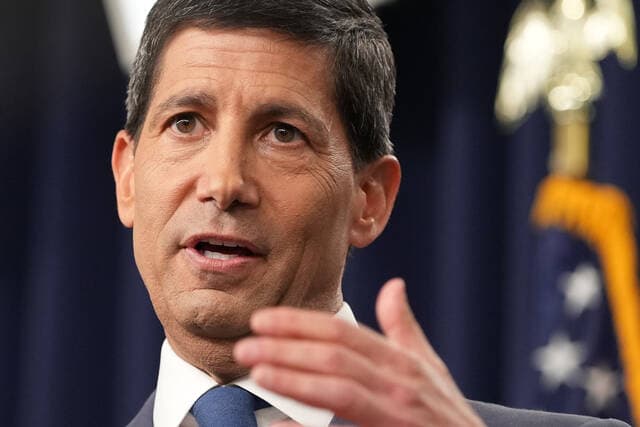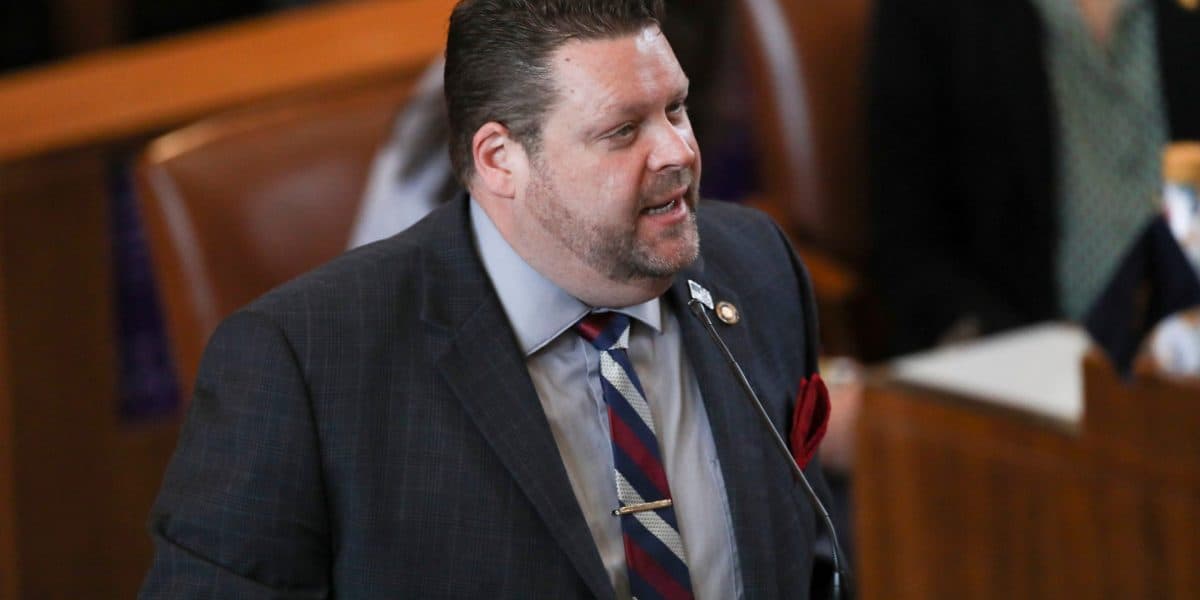
Photo via Fortune
Oregon's recent electoral setback demonstrates a critical vulnerability in Democratic-led states: failing to build public consensus around controversial fiscal policies. According to Fortune, Oregon voters overwhelmingly rejected a gas tax that Democratic legislators had passed without mounting an effective defense of the measure. The stark 83% rejection rate reveals how quickly public support can evaporate when elected officials don't actively educate constituents about policy rationale.
For Texas business leaders and policymakers, the Oregon case study carries direct relevance. As Dallas and the greater North Texas region grapple with aging infrastructure, traffic congestion, and funding gaps for transportation projects, similar tax-based solutions may emerge. The lesson here is instructive: proposing new revenue mechanisms without sustained public engagement and clear messaging about their necessity and benefits creates political vulnerability.
The broader political context amplifies the concern. Oregon's Democratic establishment has maintained Senate representation continuously since 2002, yet couldn't translate that electoral strength into support for a specific policy initiative. This disconnect suggests that party dominance doesn't guarantee acceptance of individual proposals, particularly when they affect voters' pocketbooks directly. Texas business communities should note that strong political alignment doesn't automatically translate to policy success.
As North Texas continues its economic expansion, infrastructure challenges will demand creative funding solutions. The Oregon experience underscores that successful policy implementation requires three elements: clear communication about necessity, transparent explanation of how funds will be used, and consistent public advocacy throughout the legislative process. Policymakers and business advocates should view this cautionary tale as a blueprint for what not to do when the stakes involve public finances and transportation systems.