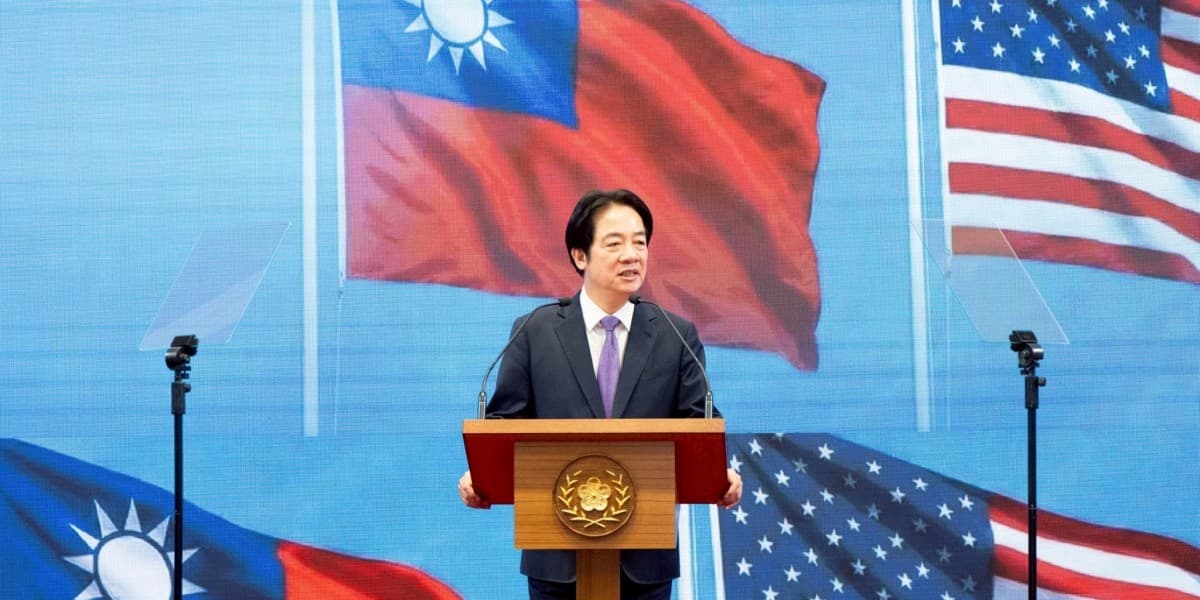
Photo via Fortune
The Trump administration's approval of an $11 billion arms sale to Taiwan in December underscores escalating tensions in the Asia-Pacific region, a development with potential ripple effects for North Texas companies with supply chain exposure. According to Fortune, the package includes advanced weaponry such as missiles, drones, artillery systems, and military software designed to strengthen Taiwan's defensive capabilities.
Taiwan's president has characterized these defense acquisitions as critical to maintaining regional stability and deterring conflict—a position that contrasts with Trump's earlier framing of arms sales as negotiating leverage with China. For Dallas-area businesses dependent on Asian manufacturing and trade routes, the distinction matters significantly, as military escalation or diplomatic miscalculation could disrupt operations and logistics networks that many local firms rely upon.
The geopolitical standoff highlights the intersection of military strategy and economic interests. Defense contractors and technology firms—sectors represented across the Dallas business community—watch these developments closely, as they can influence government spending priorities, export restrictions, and international partnerships that shape competitive advantage.
As tensions persist between Washington and Beijing over Taiwan's status, Dallas business leaders should monitor how policy shifts affect tariffs, supply chain resilience, and access to Asian markets. The coming months will likely clarify whether military posturing translates into broader trade restrictions or remains compartmentalized within defense sectors.