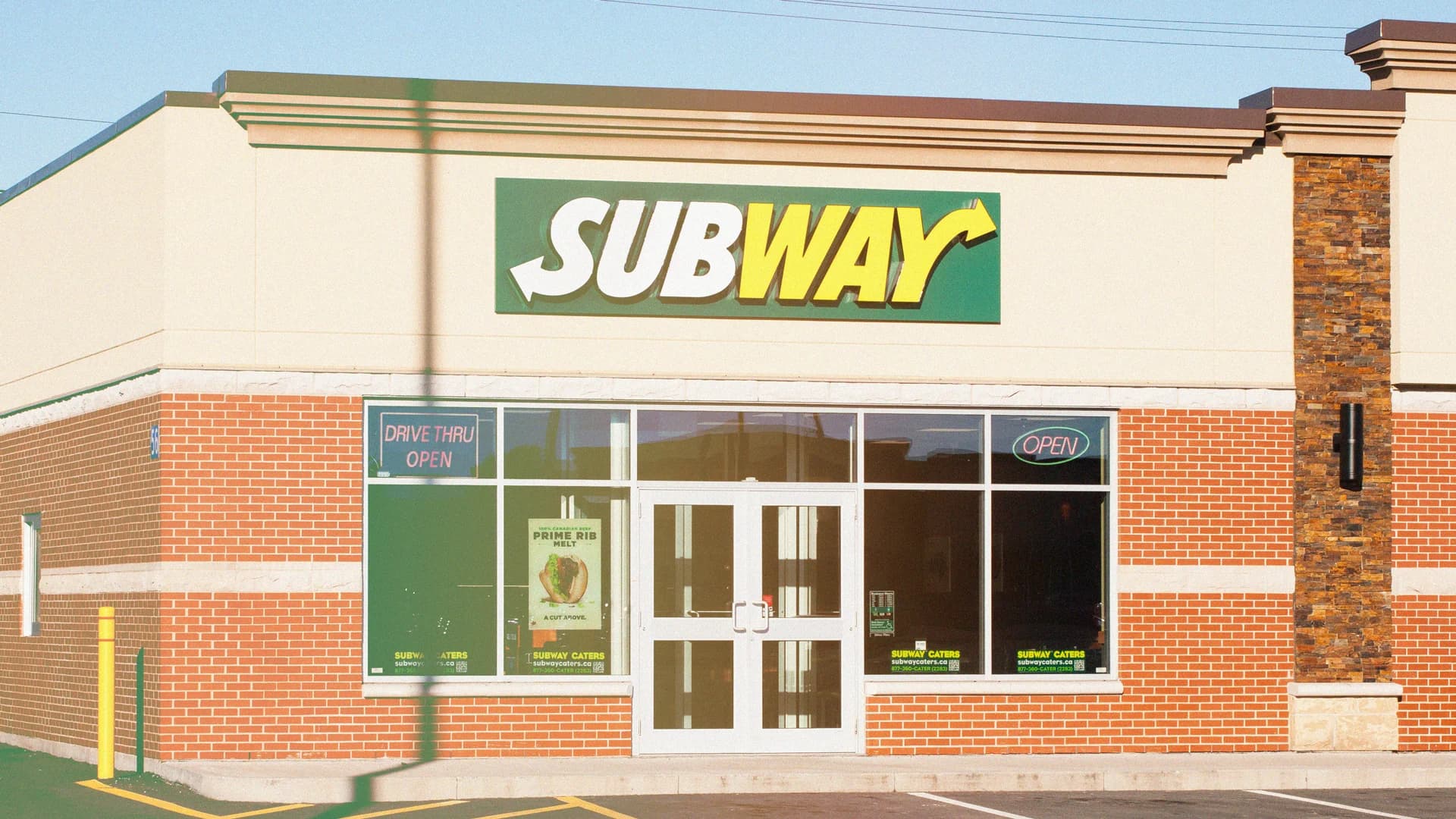
Photo via Inc.
The quick-service restaurant industry faced a sobering reality in the past year as Subway, one of McDonald's primary competitors, shuttered more than 725 U.S. locations. This substantial contraction underscores mounting pressures facing major franchise chains even as some continue expansion plans, according to reporting from Inc. The closures represent a notable shift in the competitive dynamics of America's fast-casual dining market, with potential ripple effects across regional franchises and local operators.
Despite aggressive growth ambitions—Subway announced plans to debut 100 new locations in 2026—the chain's total revenue declined 6 percent last year, revealing a troubling disconnect between expansion strategy and financial performance. This paradox highlights the challenges facing established franchise systems struggling to adapt to evolving consumer preferences and operational pressures in today's competitive landscape.
For Dallas-area entrepreneurs and restaurant investors, Subway's struggles offer cautionary insights into franchise viability and market saturation. The North Texas region, home to numerous QSR headquarters and franchise operators, continues to see consolidation and recalibration among established chains as they reassess unit economics and location profitability.
Industry observers suggest that successful restaurants in the current environment must differentiate through innovation, operational efficiency, and targeted location strategy rather than relying on rapid expansion alone. As Subway recalibrates, other competitors—including Dallas-based chains—have opportunities to capture market share in underserved demographics and geographic areas.