Photo via Inc.
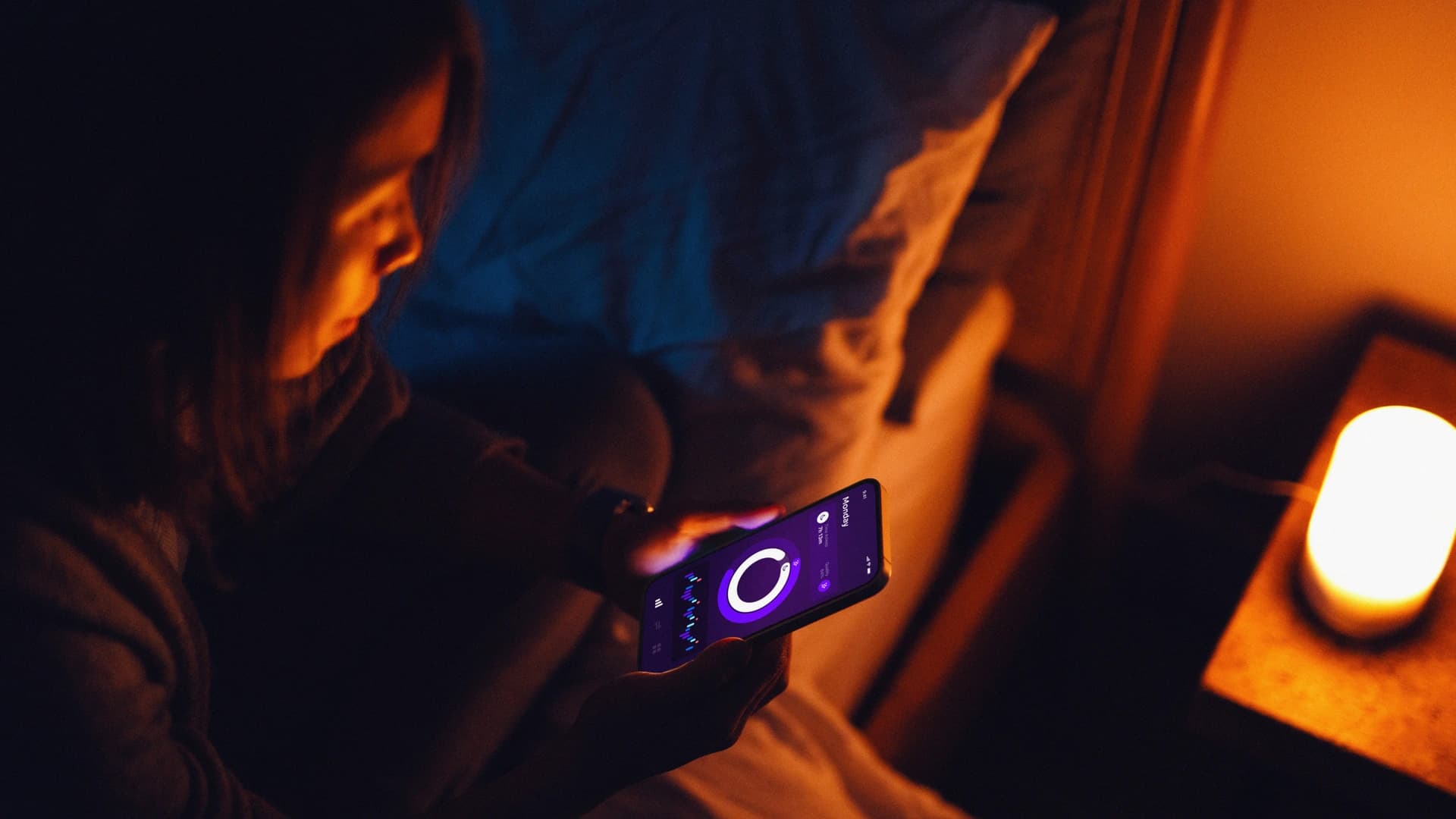
A growing body of research is challenging the promise of sleep-tracking devices and applications that have become increasingly popular among Dallas professionals seeking better rest. According to recent findings highlighted by Inc., the very tools marketed to improve sleep quality—including wearable rings, smartwatches, and dedicated sleep apps—may actually exacerbate insomnia and sleep disorders rather than alleviate them.
The counterintuitive finding suggests that constant monitoring and data collection around sleep patterns can create a cycle of anxiety and hyperawareness that interferes with natural sleep onset. For Dallas business leaders and entrepreneurs already dealing with stress-induced sleep issues, adding another layer of quantification to their nightly routine may amplify rather than resolve the underlying problem.
This research carries particular relevance for the Dallas-Fort Worth region's bustling tech and startup communities, where biohacking and personal optimization culture runs deep. Companies promoting sleep technology solutions may need to reconsider their marketing claims and target audiences, especially when targeting high-stress professional populations.
The findings suggest that individuals experiencing sleep difficulties should consult healthcare providers before investing in sleep-tracking technology. Rather than relying on apps and wearables, traditional approaches—including sleep hygiene practices, stress management, and professional medical guidance—may prove more effective for Dallas-area professionals seeking genuine improvement in their sleep quality.